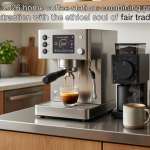
Have you ever wondered why your morning cup of coffee tastes significantly better at a high end boutique than in your own kitchen? The secret is not just the machine; it is the meticulous ritual of the espresso extraction and the ethical soul of the bean. In 2026, the home barista has surpassed the professional café as the true driver of coffee trends. We are no longer just looking for a caffeine kick; we are seeking a transparent supply chain and precision brewing.
This guide is designed to take you on a journey from the intense, concentrated world of the classic espresso shot to the smooth, elongated elegance of a fair trade Americano. We will cover everything from grind size optimization to the ethical impact of your purchase. By the end of this article, you will have the knowledge to transform your kitchen into a sustainable coffee lab where every sip tells a story of quality and fairness.
The Foundation: Understanding the Classic Espresso Shot
To master any coffee drink, you must first master the espresso. In 2026, the industry standard has moved toward high-precision variables. An espresso is defined by its extraction process, where hot water is forced through finely ground coffee at high pressure.
The Technical Specs of a Perfect Shot
To achieve cafe quality espresso at home, you need to monitor four primary pillars. These are the “Big Four” that every coffee enthusiast obsessively tracks.
-
The Dose: For a standard double shot, aim for 18 to 20 grams of coffee.
-
The Yield: You should look for a 1 to 2 ratio. This means 18 grams of dry coffee should produce 36 grams of liquid gold.
-
The Time: A perfect extraction time falls between 25 and 30 seconds.
-
The Pressure: Your espresso machine should consistently hit 9 bars of pressure.
Grind Size and Consistency
Your burr grinder is the most important tool in your arsenal. In 2026, minimalist grinders like the Mazzer Philos are trending because they focus on burr quality over digital screens. If your coffee tastes sour, your grind size is likely too coarse. If it tastes bitter or burnt, your grind size is too fine.
Sourcing with Soul: The Rise of Fair Trade Coffee
The global coffee market is worth nearly $500 billion, yet many farmers earn less than $1 per pound. This is why fair trade coffee is no longer a niche choice; it is a moral imperative for the modern consumer.
Why Fair Trade Matters in 2026
Sustainability is the primary driver of buying decisions today. Fair trade certification ensures that farmers receive a minimum price that covers the cost of sustainable production. It also provides a fair trade premium, which is an extra sum of money paid into a communal fund for community projects like schools or healthcare.
-
Farmer Equality: 70% of coffee labor is provided by women, and fair trade works to close the 40% pay gap they face.
-
Environmental Protection: Certified beans often follow organic practices that protect local biodiversity.
-
Quality Control: Because farmers are paid better, they can afford to invest in better harvesting and processing techniques.
For more tips on selecting the right ethical beans, you can explore resources at https://cafeova.com.
Transitioning to the Fair Trade Americano
The Americano is a fascinating drink. Legend has it that American soldiers in Italy during World War II found espresso too strong and diluted it with hot water. Today, it is a staple of the coffee menu.
The Science of Dilution
An Americano is not just “watery coffee.” When you add hot water to a fair trade espresso, you open up the flavor profile. You might notice notes of stone fruit, caramel, or dark chocolate that were too intense to perceive in the concentrated shot.
Step-by-Step: Crafting the Perfect Americano
-
Heat Your Water: Use filtered water heated to 195°F to 205°F.
-
The Ratio: The standard Americano ratio is 1 to 2 or 1 to 3 (one part espresso to two or three parts water).
-
The Pouring Order: For a classic Americano, pull the espresso shot first, then add the water.
-
The “Long Black” Variation: If you prefer to keep the crema intact, pour the hot water into the cup first, then pull the espresso on top. This results in a voluminous mouthfeel.
Essential Equipment for the Home Barista
Investing in quality gear is the fastest way to improve your brewing technique. In 2026, the focus is on analog tactile ritual combined with hidden technology.
2026 Espresso Machine Trends
-
Semiautomatic Machines: These allow you to control the grind and tamp while the machine handles the pressure and temperature.
-
Step-Down Baskets: These new portafilter baskets allow for a deeper puck with a smaller coffee dose, reducing channeling.
-
Thermal Stability: Look for machines with PID controllers to ensure the water temperature never flickers.
The Importance of Water Quality
Coffee is 98% water. If your water is too hard, it will mute the acidity of your fair trade beans. If it is too soft, it will lead to an over extracted and bitter cup. Using a third party water profile or a high quality filter is essential.
Ethical Consumption and the Global Impact
When you choose fair trade certified products, you are participating in a global movement. Fair trade shoppers in 2026 are willing to pay up to 35% more for coffee because they understand the value of transparency.
Community and Development
The fair trade premium has funded thousands of projects worldwide. From clean water initiatives in Ethiopia to educational grants in Colombia, your morning Americano has a tangible impact. This ethical sourcing is what gives the modern bank of coffee its true wealth.
A Quick Guide to Certifications
| Logo | Meaning | Focus |
| Fairtrade International | Social & Economic | Minimum price & premiums |
| Rainforest Alliance | Environmental | Biodiversity & climate |
| Organic (USDA/EU) | Chemical-Free | Soil health & no pesticides |
Advanced Techniques: Dialing in the Roast
A light roast and a dark roast require very different barista skills. To craft classic espresso properly, you must adjust your variables based on the roast profile.
Light Roasts (The “New School”)
Light roasts are denser and harder to extract. To get the best flavor, use hotter water (up to 208°F) and a finer grind. This brings out the clarity and floral notes.
Dark Roasts (The “Old School”)
Dark roasts are more porous. Use cooler water (around 190°F) and a coarser grind to avoid that harsh bitterness. This results in a syrupy and chocolatey espresso.
The Future of the Brew
Mastering the transition from classic espresso to a fair trade Americano is a journey of precision and purpose. As we move further into 2026, the coffee ritual will continue to evolve, blending advanced technology with an unyielding commitment to social justice. By focusing on extraction mechanics and ethical sourcing, you aren’t just making a drink; you are participating in a sustainable future.
Remember to check your grind size daily, support fair trade farmers, and enjoy the sensory experience of a perfectly pulled shot. For the latest in home brewing innovation, keep visiting https://cafeova.com.
Disclaimer:
This article is for informational and educational purposes only. Coffee brewing involves high temperatures and pressurized equipment; please follow all manufacturer safety guidelines. While we provide technical specifications for SWIFT codes and routing numbers in our banking guides, this article focuses on culinary techniques and ethical sourcing. Always verify the latest fair trade certification standards through official bodies.