Why Proper Coffee Storage Matters
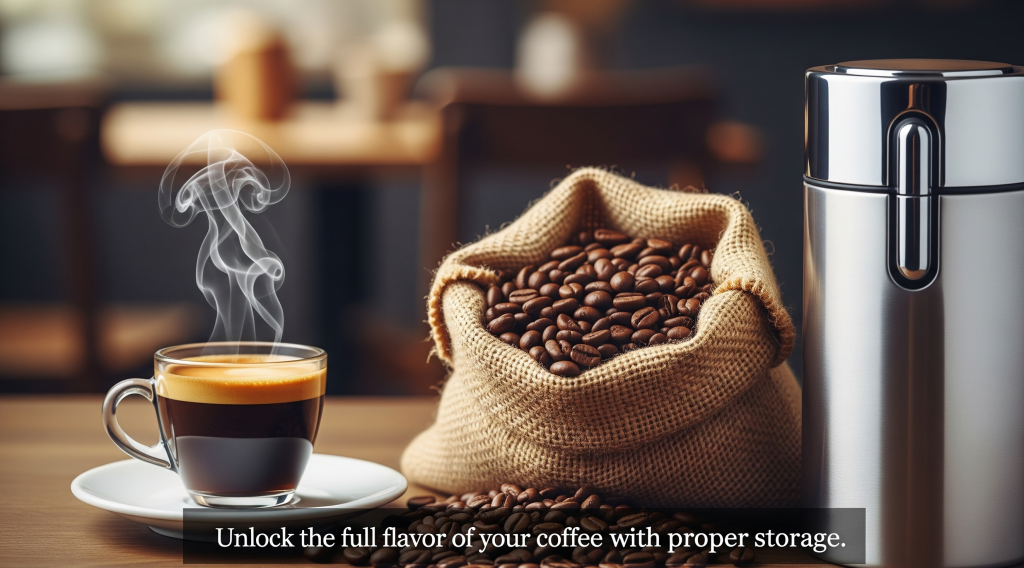
Imagine brewing a cup of specialty coffee only to find it tastes flat, lifeless, and nothing like the vibrant roast you bought. Did you know that coffee beans can lose up to 70% of their flavor within two weeks if stored improperly? For coffee enthusiasts who invest in premium coffee beans, proper storage is not just a detail it’s the key to preserving the rich aroma, nuanced flavors, and hard-earned investment in every bag. This comprehensive guide explores the best coffee storage solutions to keep your beans at peak freshness, diving into top containers, expert techniques, and practical tips tailored for home baristas, casual drinkers, and coffee aficionados. We’ll cover why storage matters, review the best products, and provide actionable advice to ensure every brew is as exceptional as the day your beans were roasted. Whether you’re perfecting your pour-over coffee or crafting an espresso, this article will equip you with the knowledge to protect your coffee bean freshness.
The Science of Coffee Freshness.
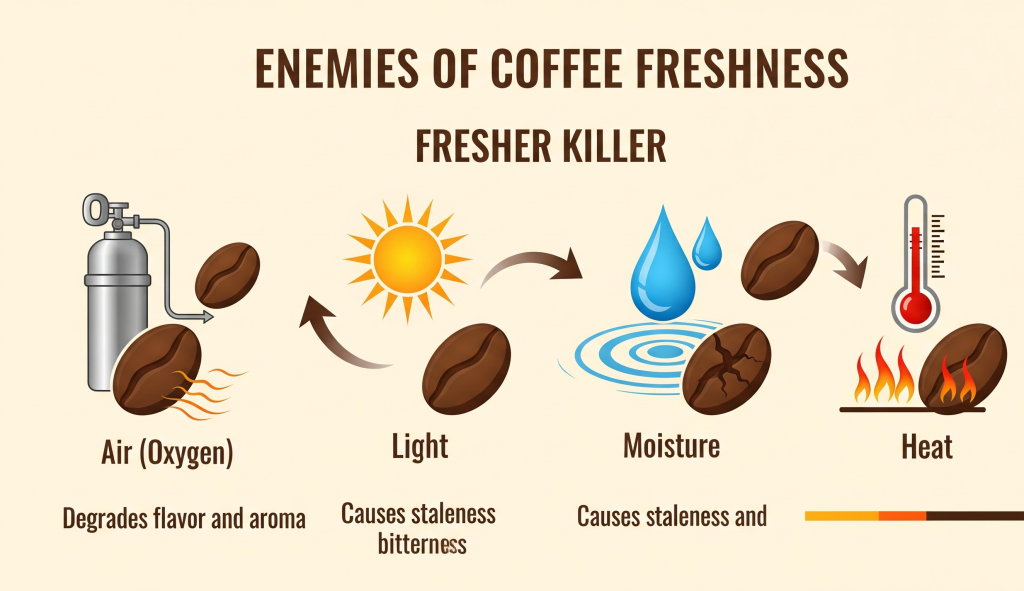
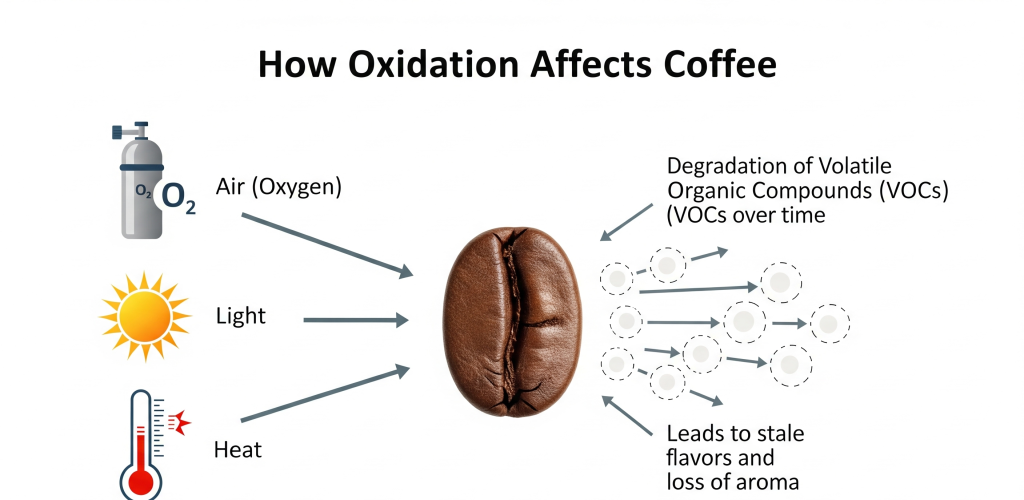
Coffee beans are a delicate balance of chemistry and craft. Once roasted, they release carbon dioxide and volatile organic compounds (VOCs), which carry the flavors and aromas that define a great cup. However, exposure to four key enemies air, light, moisture, and heat accelerates flavor loss, turning your specialty coffee stale. Understanding these factors is the first step to choosing the best coffee storage solutions.
- Air: Oxygen oxidizes coffee oils, leading to rancid, flat flavors. Studies show oxidation can degrade coffee bean freshness within days of exposure.
- Light: UV rays break down VOCs, dulling the bright notes of single-origin coffee. Clear containers are a common mistake for this reason.
- Moisture: Even small amounts of humidity can cause mold or alter bean texture, especially in ground coffee.
- Heat: Temperatures above 24°C (75°F) speed up chemical reactions, reducing shelf life.
How Long Do Coffee Beans Stay Fresh?
- Whole Bean Coffee: Retains peak flavor for 2-4 weeks post-roast when stored in an airtight coffee canister at room temperature.
- Ground Coffee: Loses freshness within 1-2 weeks due to increased surface area exposed to air.
- Roast Date Matters: Always check the roast date on your coffee bean packaging. Beans are freshest within the first two weeks.
Core Principles of Effective Coffee Storage
To maximize coffee bean freshness, follow these evidence-based principles:
- Use Airtight Containers: Airtight coffee canisters block oxygen, slowing oxidation. Look for vacuum-sealed or CO2-valve options.
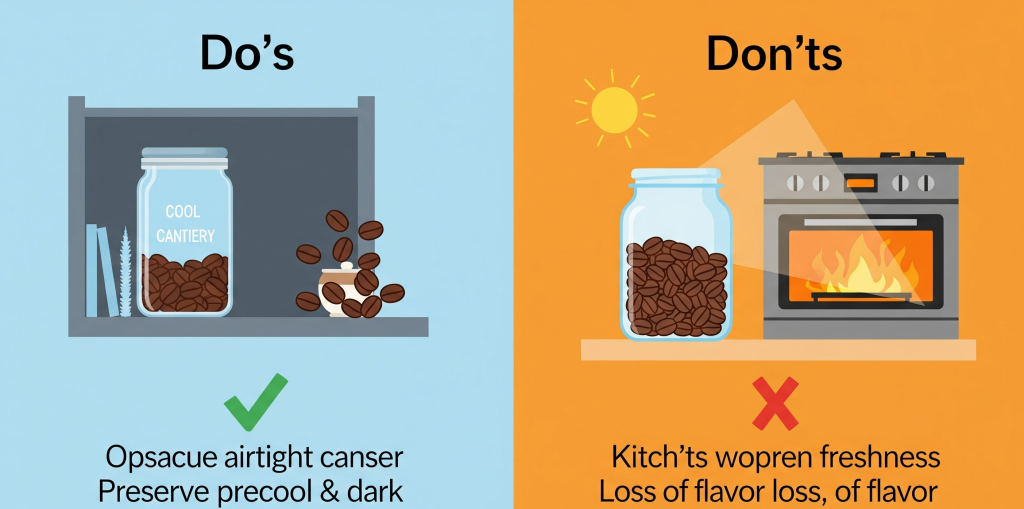
- Store in a Cool, Dark Place: Ideal conditions are 15-20°C (59-68°F) with 50-60% humidity, away from sunlight or heat sources like ovens.
- Grind Just Before Brewing: Grinding increases oxidation, so store whole bean coffee and grind only what you need.
- Buy in Small Batches: Purchase enough for 1-2 weeks to avoid flavor degradation over time.
Top Coffee Storage Containers.
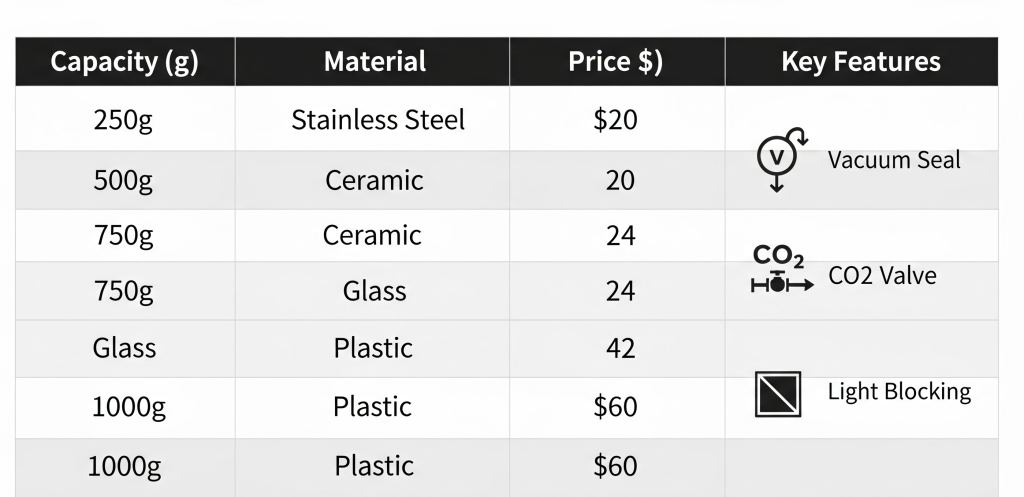
Choosing the right coffee storage container is the cornerstone of preserving premium coffee beans. Below, we review five top-rated coffee canisters, based on performance, design, and user feedback, to help you find the perfect fit.
1. Fellow Atmos Vacuum Canister
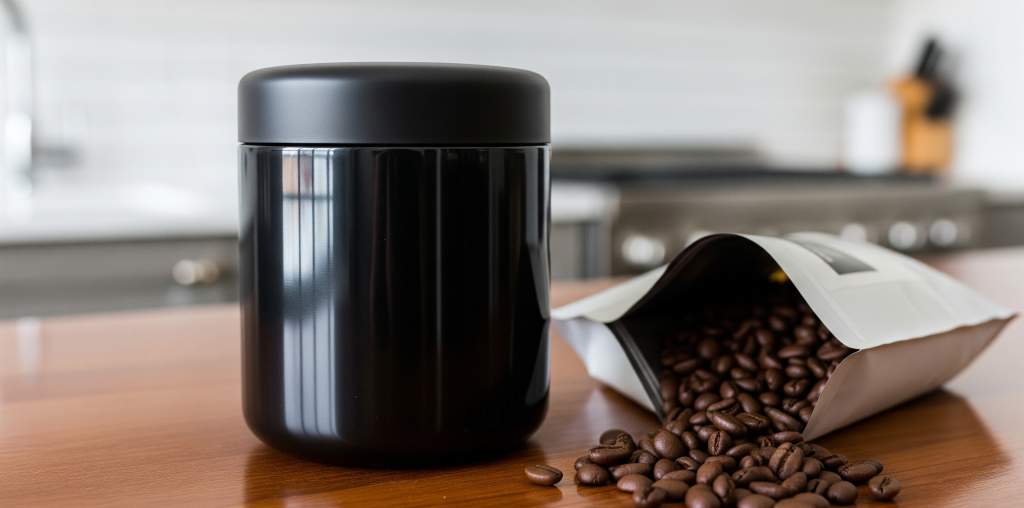
The Fellow Atmos Vacuum Canister is a favorite among coffee aficionados for its innovative vacuum-sealing technology. By twisting the lid, you pump out air, creating an oxygen-free environment that preserves coffee bean freshness for weeks. Available in borosilicate glass (clear or tinted) or stainless steel, it blocks light effectively, and its sleek design suits modern kitchens.
- Capacity: 0.4L (6 oz), 0.7L (11 oz), or 1.2L (16 oz) of whole bean coffee.
- Material: Glass or stainless steel; both opaque options block UV light.
- Features: Vacuum seal indicator, easy-twist lid, non-slip base.
- Pros: Superior air removal, stylish, multiple sizes for different needs.
- Cons: Not dishwasher-safe, premium price ($35–$50 depending on size).
- User Feedback: Home baristas on Reddit praise its ability to keep specialty coffee fresh for up to a month. Some note the glass version requires careful handling.
- Best For: Serious coffee enthusiasts who prioritize maximum freshness.
2. OXO Steel Coffee Pop Container
The OXO Steel Coffee Pop Container is a practical, budget-friendly option for coffee storage. Its push-button lid creates an airtight seal, and the stainless steel exterior adds a layer of light protection. A 2-tablespoon scoop clips inside for convenience.
- Capacity: 1.5 quarts (16 oz of coffee beans).
- Material: Stainless steel and BPA-free plastic.
- Features: Airtight pop-up lid, included scoop, stackable design.
- Pros: Affordable ($22), dishwasher-safe (container only), slim profile.
- Cons: Plastic lid may not block light as effectively as metal or glass.
- User Feedback: Amazon reviews highlight its ease of use and value, though some users wish for a fully metal construction.
- Best For: Casual coffee drinkers seeking practicality and affordability.
3. Airscape Kilo Coffee Canister
The Airscape Kilo Coffee Canister is ideal for bulk buyers. Its patented inner lid pushes air out when pressed, creating an airtight seal. Made of durable stainless steel, it’s built to last and blocks light effectively.
- Capacity: 2.2 lbs (35.2 oz) of coffee beans.
- Material: Stainless steel with clear acrylic inner lid.
- Features: Air-purging lid, rust-resistant, large capacity.
- Pros: Perfect for bulk storage, durable, effective air removal.
- Cons: Bulky for small kitchens, not dishwasher-safe ($40).
- User Feedback: Coffee forums like Home-Barista commend its large capacity and air-tightness, though some find it less convenient for daily use.
- Best For: Those buying specialty coffee in bulk or small-batch roasters.
4. Coffee Gator Stainless Steel Canister
The Coffee Gator Canister stands out with its one-way CO2 valve, which releases carbon dioxide while blocking oxygen, mimicking professional roaster bags. A date wheel tracks storage time, and it includes a stainless steel scoop.
- Capacity: 0.5L (6 oz), 1L (12 oz), or 1.8L (22 oz).
- Material: Stainless steel.
- Features: CO2 valve, date tracker, included scoop, clasp lid.
- Pros: Affordable ($25–$35), replacement valves included, tracks freshness.
- Cons: Clasp may loosen over time, not vacuum-sealed.
- User Feedback: Users on X appreciate the date wheel for tracking roast dates, but some report clasp durability issues after a year.
- Best For: Detail-oriented coffee lovers who want to monitor freshness.
5. KINTO SCS Coffee Canister
The KINTO SCS Coffee Canister blends style and function. Made of porcelain, it blocks sunlight completely and adds an elegant touch to your kitchen. Its compact size is perfect for small batches of premium coffee beans.
- Capacity: 200g (7 oz) of coffee beans.
- Material: Porcelain with silicone gasket.
- Features: Light-blocking, minimalist design, airtight seal.
- Pros: Aesthetically pleasing, effective light protection, compact ($30).
- Cons: Smaller capacity, not vacuum-sealed, fragile.
- User Feedback: European coffee blogs like European Coffee Trip praise its design for small kitchens, though some wish for larger sizes.
- Best For: Minimalists who value form as much as function.
Storing Ground Coffee vs. Whole Beans
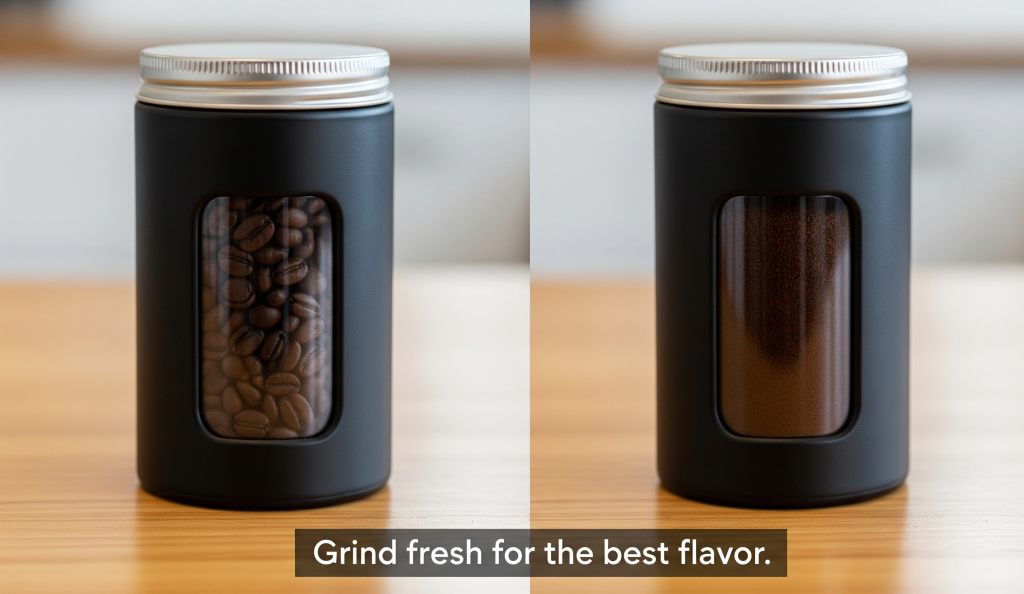
Ground coffee loses freshness faster than whole bean coffee due to its increased surface area, which exposes more of the bean to oxygen. Grinding breaks the bean’s natural barrier, accelerating oxidation and VOC loss.
- Whole Beans: Last 2-4 weeks in an airtight coffee canister at room temperature, retaining complex flavors.
- Ground Coffee: Best used within 1-2 weeks, even in optimal conditions. Avoid vacuum-sealed containers, as fine particles can clog mechanisms.
Expert Tip: Invest in a burr grinder (e.g., Baratza Encore, $149) and grind just before brewing to preserve coffee freshness. For espresso or pour-over coffee, consistency in grind size enhances flavor extraction.
Freezing and Refrigerating Coffee.
The question of freezing coffee beans or refrigerating coffee beans sparks heated discussions among coffee aficionados. Here’s a detailed look at the pros, cons, and best practices.
Freezing Coffee Beans
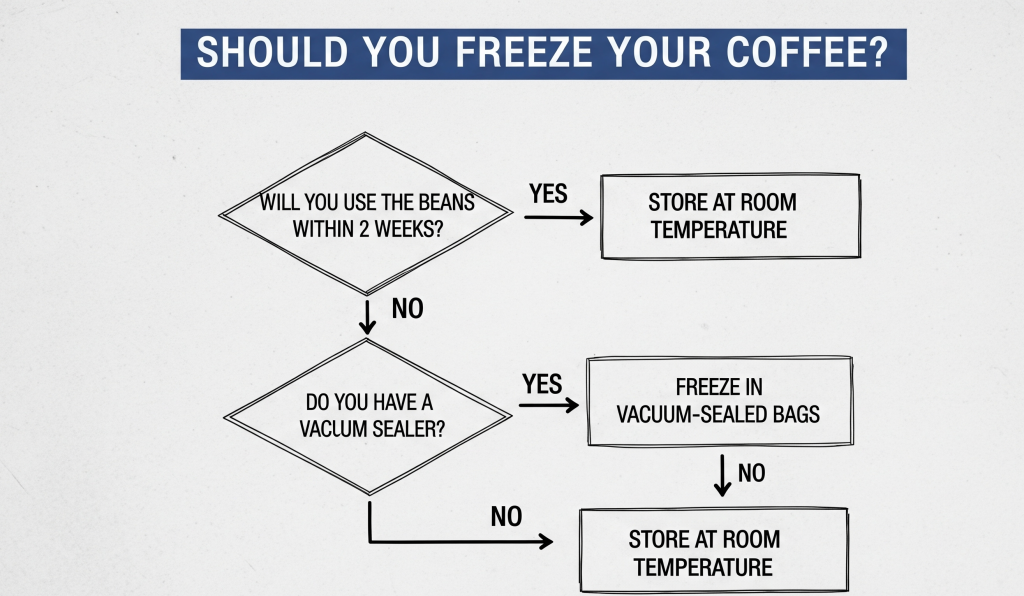
Freezing can extend coffee bean freshness to 1-2 months, but only if done correctly. Coffee is hygroscopic, meaning it absorbs moisture and odors, which freezers can introduce.
- Pros: Slows oxidation, ideal for single-origin coffee stored in bulk.
- Cons: Risk of condensation and odor absorption; requires airtight, vacuum-sealed containers.
- Best Practices:
- Divide beans into single-dose portions (e.g., 10g for espresso, 15g for pour-over).
- Use vacuum-sealed bags (e.g., FoodSaver bags, $10 for 20).
- Freeze once and keep frozen until brewing to avoid temperature fluctuations.
- Thaw in the sealed bag to prevent condensation.
Refrigerating Coffee Beans
Refrigeration is rarely recommended due to high humidity and odor risks in fridges. Even airtight coffee canisters may not fully protect against moisture or smells from foods like onions.
- Pros: None significant compared to room-temperature storage.
- Cons: Humidity causes mold; odors taint flavor; temperature swings degrade beans.
- Best Practice: Avoid refrigeration entirely. Store in a cool, dark pantry instead.
Single Dosing.
Single dosing is a technique used by professional baristas to minimize air exposure. It involves measuring out beans for each brew and storing the rest in an airtight coffee canister, reducing oxidation in grinders or hoppers.
- How It Works: Use a dosing cup (e.g., Hario V60 Dosing Tray, $15) to portion 10–20g of beans per brew.
- Benefits: Preserves coffee bean freshness, ideal for specialty coffee with delicate flavor profiles.
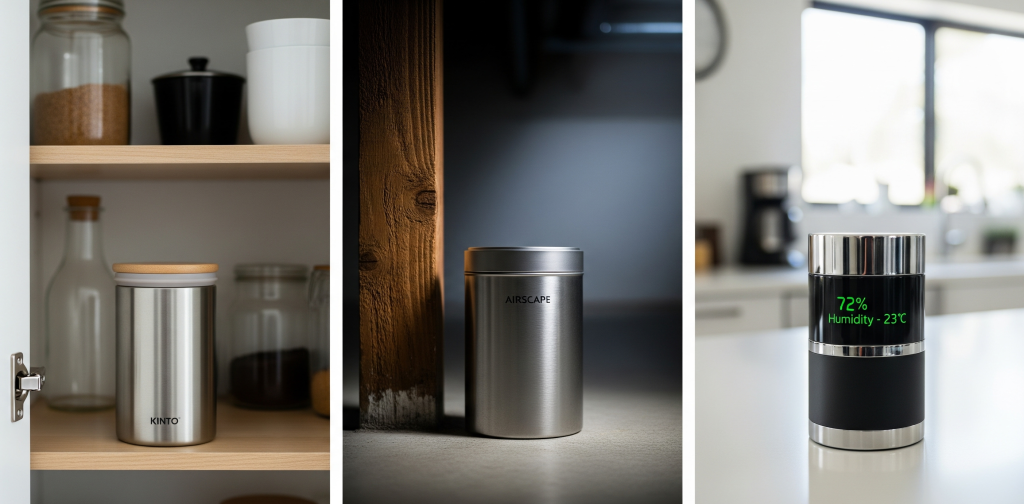
- Tools: Pair with a vacuum coffee canister like the Barista-Essentials Smart-Lid Canister ($45), which monitors temperature and humidity via a mobile app.
Coffee Storage Mistakes to Avoid
Even with the best coffee storage containers, these common errors can ruin your premium coffee beans:
- Using Clear Containers: Glass jars expose beans to light, degrading flavor. Opt for opaque materials like stainless steel or porcelain.
- Keeping Beans in Original Bags: Most retail bags lack airtight seals after opening, despite zippers or valves.
- Storing Near Heat Sources: Cabinets above stoves or sunny countertops accelerate staleness.
- Overbuying: Large quantities go stale before use, even in airtight coffee canisters.
- Ignoring Roast Dates: Beans past 4 weeks post-roast lose significant flavor, regardless of storage.
Coffee Culture and Storage Trends
Coffee culture thrives in regions with strong café scenes, where specialty coffee is a daily ritual. Enthusiasts in these areas prioritize coffee bean storage to maintain the quality of single-origin coffee and organic coffee. For example, high per-capita coffee consumption drives demand for airtight coffee canisters and vacuum coffee canisters to protect premium beans.
Choosing the Right Container for Your Lifestyle
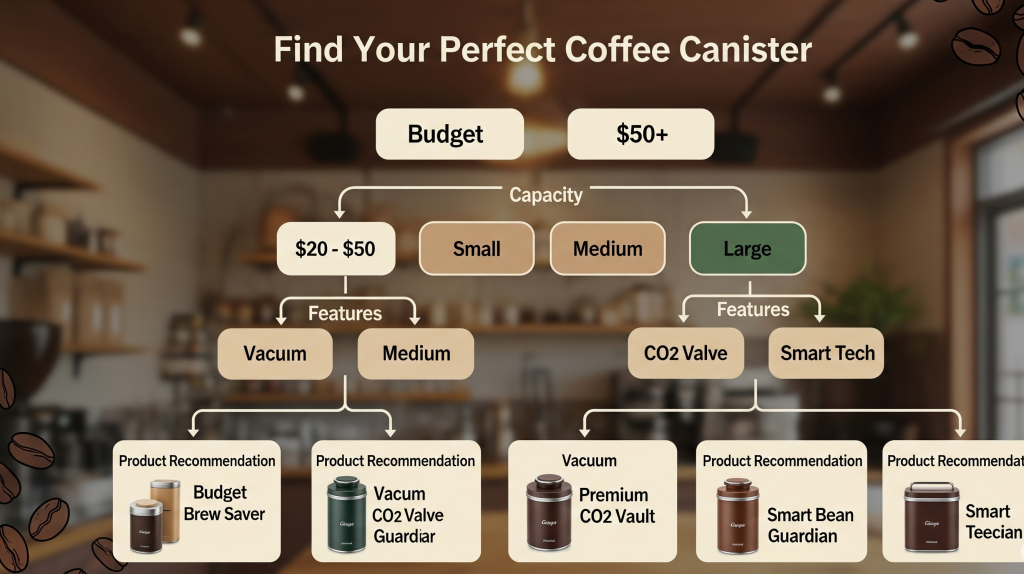
Selecting a coffee storage container depends on your brewing habits, kitchen space, and budget. Here’s a guide to match your needs:
- Small Households (1-2 cups daily): The KINTO SCS (7 oz) or Fellow Atmos 0.4L (6 oz) is compact and stylish.
- Bulk Buyers (1+ kg monthly): The Airscape Kilo (2.2 lbs) handles large quantities efficiently.
- Budget-Conscious: The OXO Pop Container ($22) offers solid performance at a lower price.
- Tech-Savvy Baristas: The Coffee Gator ($25-$35) or Barista-Essentials Smart-Lid Canister ($45) provides tracking features for precision.
Maintaining Your Coffee Storage System
To ensure your coffee storage solutions perform optimally, follow these maintenance tips:
- Clean Regularly: Wash containers with mild soap and dry thoroughly to prevent oil or residue buildup.
- Check Seals: Inspect silicone gaskets or vacuum mechanisms monthly for wear or debris.
- Track Freshness: Use date wheels (e.g., on Coffee Gator) or stick-on labels to note roast dates.
- Store Properly: Place containers in a cool, dark pantry, away from appliances or windows.
Expert Tips from Coffee Professionals
Ryan Sullivan, director of coffee operations at Mostra Coffee, shares expert advice for storing coffee beans:
- “Choose roasters who use bags with one-way CO2 valves. These are great for short-term storage, but transfer to an airtight coffee canister for longer periods.”
- “Fill your canister to minimize air inside. Empty space accelerates oxidation.”
- “For specialty coffee, single dosing ensures every brew is as fresh as possible.”
Additional Tips:
- Use Opaque Bags for Short-Term Storage: If you can’t transfer to a canister immediately, store beans in their original bag inside an opaque, airtight container.
- Monitor Humidity: Use a hygrometer ($10 on Amazon) to ensure your storage area stays at 50–60% humidity.
- Rotate Stock: Brew older beans first to avoid waste.
The Chemistry of Coffee Storage
Roasted coffee beans release carbon dioxide for up to a week post-roast, which is why CO2 valves (e.g., Coffee Gator) are effective they let gas escape without letting oxygen in. Oxidation breaks down coffee oils, reducing aroma and flavor. Vacuum-sealed containers like the Fellow Atmos remove oxygen entirely, while materials like stainless steel or porcelain maintain stable temperatures and block light.
Budget-Friendly Storage Alternatives
If premium canisters are out of reach, consider these cost-effective options:
- Mason Jars with Tight Lids: Affordable ($5-$10), but use opaque or wrap in foil to block light.
- Repurposed Metal Tins: Cookie or tea tins work if airtight and light-blocking.
- IKEA Korken Canister: At $13, this glass canister with a silicone seal offers decent performance for small batches.
Real-World Storage Success
- Home Barista in a Small Apartment: Sarah, a pour-over coffee enthusiast, uses the KINTO SCS Canister for her 200g bags of single-origin coffee from Ethiopia. Stored in a dark cupboard, her beans stayed fresh for 3 weeks, with floral notes intact. She pairs it with a burr grinder for daily grinding.
- Bulk Buyer with a Family: Mark buys 1kg of organic coffee monthly. Using the Airscape Kilo, he stores beans in a cool basement, single-dosing 60g weekly for his French press. After 6 weeks, the beans retained their chocolatey profile, per his taste tests.
- Tech-Savvy Coffee Nerd: Lisa uses the Barista-Essentials Smart-Lid Canister, which alerts her phone if humidity exceeds 60%. Her espresso beans stayed fresh for a month, with no loss of crema quality.
Advanced Storage Techniques for Coffee Aficionados
For those obsessed with coffee quality, consider these advanced methods:
- Nitrogen Flushing: Some roasters flush bags with nitrogen to displace oxygen. At home, use a nitrogen canister ($50) with a vacuum sealer for long-term storage.
- Humidity-Control Packs: Boveda 62% humidity packs ($5 for 4) maintain ideal moisture levels in airtight coffee canisters.
- Smart Storage Apps: Pair smart canisters with apps to track roast dates, humidity, and brew schedules.
Sustainability in Coffee Storage
Choosing eco-friendly coffee storage solutions aligns with the values of specialty coffee roasters who prioritize sustainability. Look for:
- Recyclable Materials: The OXO Pop Container uses recyclable plastic and steel.
- Reusable Canisters: The Airscape Kilo’s stainless steel construction is durable and recyclable.
- Ethical Brands: Coffee Gator partners with Rainforest Alliance-certified roasters, supporting sustainable farming.
Protect Your Coffee, Savor the Flavor
Investing in the best coffee storage solutions is as crucial as choosing premium coffee beans. From the vacuum-sealed Fellow Atmos Canister to the budget-friendly OXO Pop Container, there’s a solution for every coffee lover. By avoiding common mistakes, following expert tips, and selecting the right coffee storage container, you can preserve the vibrant flavors of your specialty coffee for weeks. Start implementing these strategies today, and elevate every pour-over, espresso, or French press brew to its full potential.