Unlock Perfect Shot: A Deep Dive into Choosing the Best Espresso Beans
Have you ever wondered why your homemade espresso doesn’t quite taste like that perfectly crafted shot from your favorite café? The secret often lies not just in your machine or technique, but fundamentally in the espresso beans you choose. It’s a journey, a delicate dance of science and art, where the right coffee beans for espresso can elevate your morning ritual from ordinary to extraordinary. But with a dizzying array of options – from different roast levels to exotic espresso bean origins and complex flavor profiles – how do you navigate the choices to find your ideal brew?
This comprehensive guide is designed to demystify the world of espresso coffee beans. We’ll explore everything you need to know, from understanding the nuances of various roasts and the impact of geographical origins, to deciphering intricate espresso flavor notes and selecting the best espresso beans for home use. By the end of this article, you’s will be equipped with the knowledge to confidently choose the best espresso beans that truly sing in your cup, transforming every shot into a masterpiece. Get ready to pull the perfect espresso, tailored precisely to your taste!
The Foundation: What Makes a Bean an “Espresso Bean”?
Before we dive into the exciting world of choices, let’s clarify a common misconception: there’s technically no such thing as an “espresso bean” as a distinct botanical species. Any coffee bean can be used for espresso. However, what makes a bean ideal for espresso brewing are its inherent characteristics and how it’s roasted and prepared for this specific extraction method.
Espresso brewing is a unique process, defined by forcing hot water under high pressure (typically 9 bars) through finely ground, compacted coffee for a very short duration (around 25-30 seconds). This rapid, intense extraction demands specific qualities from the beans to produce a balanced, flavorful, and crema-rich shot.
Think of it like baking. While any flour can make a cake, certain types are better suited for a fluffy sponge versus a dense brownie. Similarly, some espresso beans naturally possess attributes that shine under the pressure of an espresso machine. These attributes often include a higher density, a rich oil content, and inherent flavor complexities that can withstand the intense extraction without becoming excessively bitter or overly acidic.
Arabica vs. Robusta: The Core Difference
When discussing coffee beans for espresso, the two primary species you’ll encounter are Arabica and Robusta.
- Arabica ( Coffea arabica ): This is the more widely cultivated and prized species, accounting for about 60% of the world’s coffee production. Arabica beans are known for their complex espresso flavor notes, aromatic qualities, and higher acidity. They typically have a delicate sweetness, often showcasing fruity, floral, and chocolaty undertones. Most specialty coffee beans are 100% Arabica. While they produce excellent flavor, their crema espresso can sometimes be less robust.
- Robusta ( Coffea canephora ): This species is hardier, easier to grow, and has higher caffeine content. Robusta beans typically produce a bolder, more rubbery, or burnt-tire flavor profile, often with a heavier body and less acidity. However, their significant contribution to espresso is a thicker, more persistent crema espresso. Many traditional espresso blends, particularly Italian ones, incorporate a small percentage (5-20%) of Robusta to enhance body and crema.
Ultimately, the term “espresso beans” usually refers to coffee beans specifically chosen and roasted with the intention of being brewed as espresso, whether they are 100% Arabica or an Arabica-Robusta blend, designed to perform optimally under pressure.
Unpacking Roast Levels: From Light & Bright to Dark & Bold
The roast level is arguably the most significant factor influencing the final taste of your espresso. It’s during roasting that the green coffee beans undergo a remarkable transformation, developing their aroma, color, and flavor characteristics. This process involves complex chemical reactions like the Maillard reaction (which develops savory notes) and caramelization (which develops sweet, sugary notes), followed by pyrolysis at higher temperatures. Each roast level brings out different qualities, and understanding them is crucial for choosing the best espresso beans for your palate.
Light Roast Espresso Beans: The Unconventional Choice
Traditionally, espresso was synonymous with dark roasts. However, in recent years, light roast espresso beans have gained immense popularity, particularly among specialty coffee enthusiasts and those seeking to highlight the unique characteristics of single origin espresso beans.
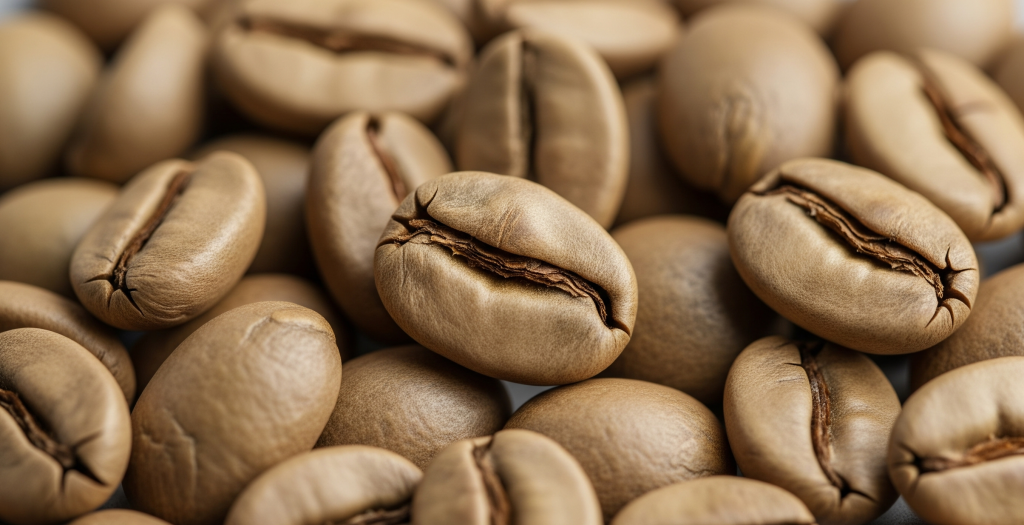
- Characteristics: Light roasts are typically stopped shortly after the “first crack” in the roasting process, where the beans expand and make a cracking sound. They are light brown in color, dry to the touch (minimal oil on the surface), and retain most of the bean’s original characteristics from its origin.
- Flavor Profile: Prepare for a vibrant, complex, and often fruit-forward experience. You’ll encounter bright, lively acidity (think citrus, green apple, or berry notes), delicate floral aromas (jasmine, bergamot), and distinct regional flavors. The sweetness tends to be delicate, more like honey or cane sugar. The crema espresso from light roasts might be thinner and dissipate more quickly compared to darker roasts, but it can still be beautiful.
- Best For: Those who appreciate complex, nuanced flavors, often described as “terroir-driven.” They are excellent for experiencing the unique qualities of single origin espresso beans from places like Ethiopian Yirgacheffe (blueberry, floral) or Kenyan Nyeri (blackcurrant, savory). If you enjoy a clean, bright, and sometimes surprisingly low acid espresso beans profile while still wanting complexity, some carefully processed light roasts can fit the bill.
- Considerations: Light roasts are denser and harder to grind consistently due to their higher moisture content. They also tend to be more challenging to extract, requiring precise grinding, careful dosing, and often slightly higher brewing temperatures to avoid sourness or under-extraction. They might not be the best espresso beans for latte if you prefer a strong, traditional coffee presence cutting through milk, as their delicate notes can be easily overpowered.
Medium Roast Espresso Beans: The Balanced Brew
Medium roast espresso beans represent a beautiful balance between the inherent bean characteristics and the flavors developed during roasting. They are often considered the sweet spot for many espresso drinkers, offering versatility and approachability.
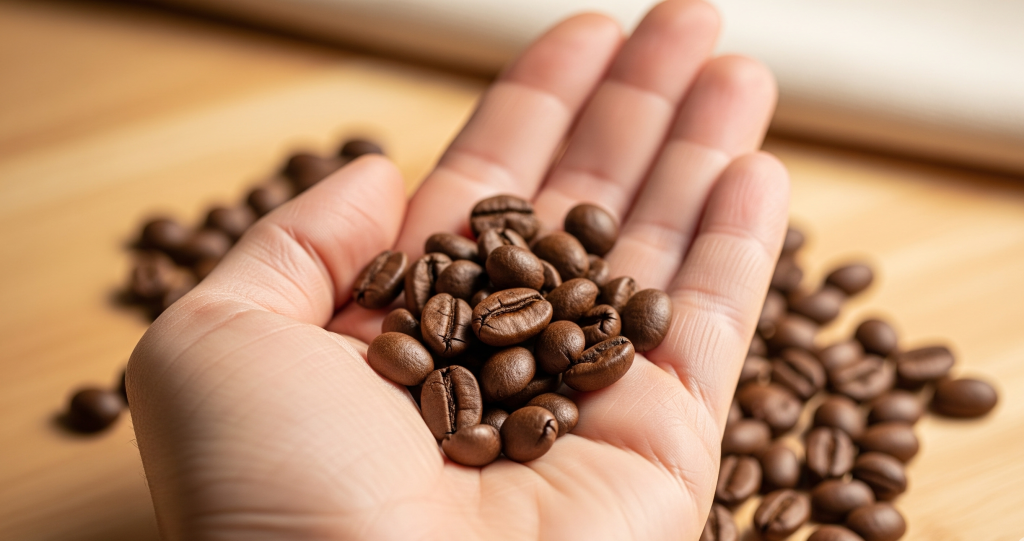
- Characteristics: Roasted longer than light roasts, usually to just before or at the beginning of the “second crack,” where the beans crackle again as their cellular structure breaks down further. They are medium brown in color, with a slightly oily sheen sometimes present on the surface as internal oils begin to migrate outwards.
- Flavor Profile: Expect a harmonious blend of sweetness, balanced acidity, and a fuller body. Common notes include caramel, chocolate, nuts, and toasted bread. The original characteristics of the bean are still present but are complemented by the rich, caramelized sugars from the roasting process. The crema espresso is often rich, persistent, and a beautiful hazelnut color.
- Best For: A versatile choice that appeals to a wide range of palates. They are excellent for both straight espresso shots and milk-based drinks like lattes and cappuccinos, as their flavors stand up well to milk without being overpowering or getting lost. If you’re looking for best espresso beans for latte that offer both complexity and strength, medium roasts are a solid contender. Colombian Supremo beans are often found in excellent medium roasts, offering notes of chocolate and sweet citrus.
- Considerations: While generally more forgiving than light roasts, consistent grinding is still key to unlocking their full potential. They offer a great starting point for home baristas learning to dial in their shots.
 Dark Roast Espresso Beans: The Classic & Bold Statement
For decades, dark roast espresso beans were the standard for espresso, particularly in Italy. They offer a powerful, intense, and often smoky experience, known for their strong punch.
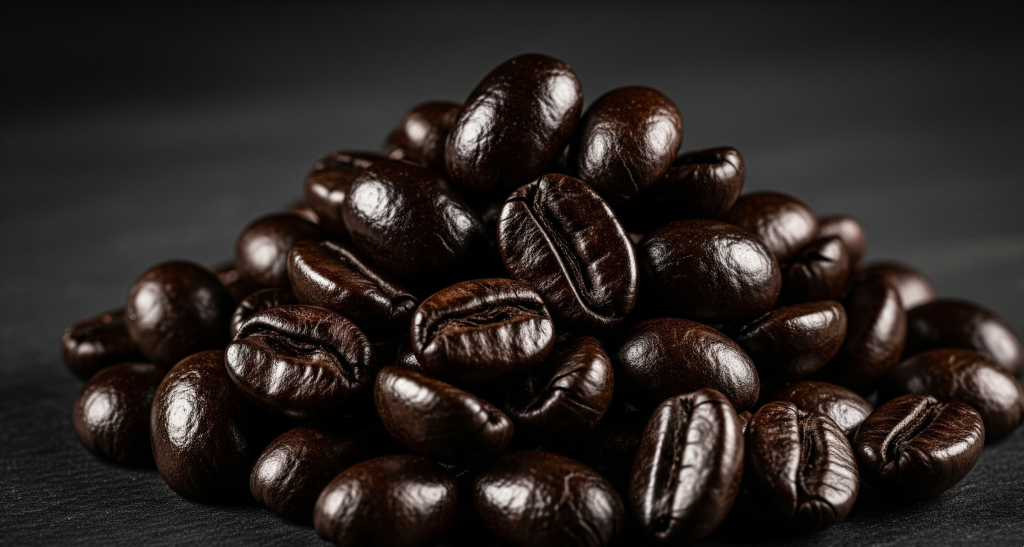
- Characteristics: Roasted well into or past the “second crack,” they are dark brown, sometimes almost black, and often have a significant oily sheen on their surface due to oils migrating out of the bean during the prolonged roasting.
- Flavor Profile: Expect intense, bold flavors with very low acidity and a heavy body. Common notes include dark chocolate, burnt caramel, smoky, nutty, and sometimes even peppery or rubbery notes if over-roasted. The crema espresso from dark roasts is typically thick, dark, and long-lasting, often with a tiger-stripe appearance.
- Best For: Those who prefer a strong, robust, and traditional espresso profile. They are also excellent for cutting through milk in very large milk-based drinks, making them a popular choice for best espresso beans for latte or large cappuccinos where a pronounced coffee flavor is desired. If you’re specifically seeking low acid espresso beans with a traditional, intense profile, dark roasts often fit the bill. Many classic “Italian” or “French” roast profiles fall into this category, often featuring Brazilian or Sumatran beans.
- Considerations: While seemingly forgiving due to their robust flavor, dark roasts can quickly become bitter and acrid if over-extracted or brewed with too high a temperature. Their oiliness can also clog grinders and espresso machine components over time, requiring more frequent cleaning and maintenance. They also tend to go stale faster due to the increased surface area exposed to oxygen.
The Journey to Your Cup: Espresso Bean Origins & Their Impact
Beyond the roast, the geographical espresso bean origin profoundly influences its flavor. Just like wine grapes, coffee beans absorb characteristics from their soil (terroir), climate, altitude, and the meticulous processing methods used by farmers. Understanding these origins can help you predict and appreciate the diverse espresso flavor profiles you’ll encounter. Most best espresso beans come from regions within the “Coffee Belt,” a band around the equator between the Tropics of Cancer and Capricorn.
African Origins: Bright, Floral, and Fruity
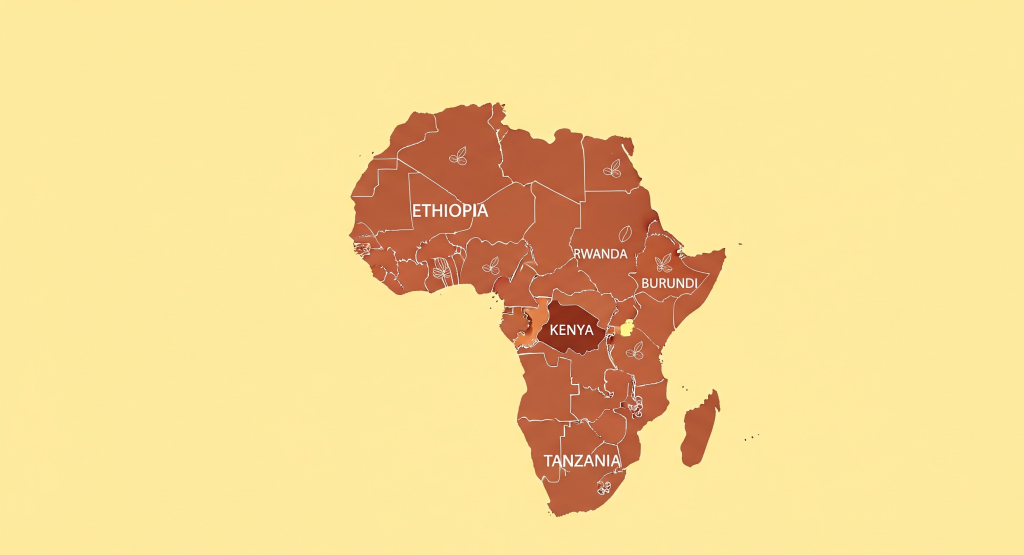
African coffees, particularly from Eastern Africa, are celebrated for their vibrant, often exotic flavors, showcasing incredible complexity and clarity.
- Ethiopia: Often considered the birthplace of coffee, Ethiopian beans are renowned for their incredible diversity based on region (e.g., Yirgacheffe, Sidamo, Harrar). Expect bright, wine-like acidity, delicate floral notes (jasmine, bergamot, rose), and distinct fruit flavors (blueberry, strawberry, peach, citrus). They are often lighter-bodied and can be a revelation for those new to single origin espresso beans, offering a truly unique espresso experience.
- Kenya: Kenyan coffees are known for their complex, savory sweetness and intense, often tart, fruit notes, frequently described as blackcurrant or tomato-like acidity. They offer a full, juicy body and a clean, lingering finish. Kenyan beans from regions like Nyeri are often highly sought after for their distinctive complexity.
- Rwanda/Burundi: These smaller African producers are gaining recognition for their clean, sweet, and bright coffees. Expect notes of citrus, red berries, and caramel, often with a crisp acidity and medium body.
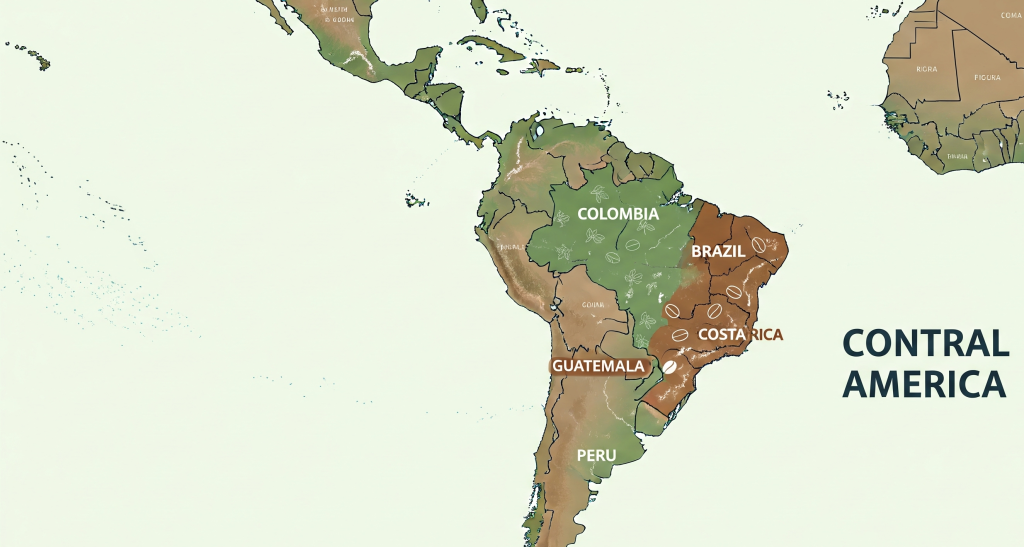
Latin American Origins: Balanced, Sweet, and Chocolaty
Latin American countries are the largest producers of coffee globally, offering a wide range of reliable, consistent, and often approachable flavor profiles that form the backbone of many espresso blends.
- Colombia: Colombian beans are a staple in many espresso blends due to their consistent quality and well-balanced profile. They typically offer a medium body, balanced acidity (often citric or malic), and classic notes of chocolate, caramel, nuts, and red fruit. They are often a safe and satisfying choice for coffee beans for espresso, providing a solid foundation for both straight shots and milk drinks.
- Brazil: As the world’s largest coffee producer, Brazilian beans often form the base of many espresso bean blends. They tend to be lower in acidity, with a heavier body and prominent notes of chocolate, nuts, and a sweet, creamy mouthfeel, making them excellent for rich, traditional espresso.
- Guatemala: Guatemalan coffees, especially from regions like Antigua or Huehuetenango, often boast a full body, sparkling acidity, and complex notes of chocolate, spice, and bright fruit (apple, cherry). They offer a refined balance.
- Costa Rica: Known for clean, bright coffees with notes of citrus, brown sugar, and a medium body. Their focus on quality and sustainable practices often results in consistently excellent beans.
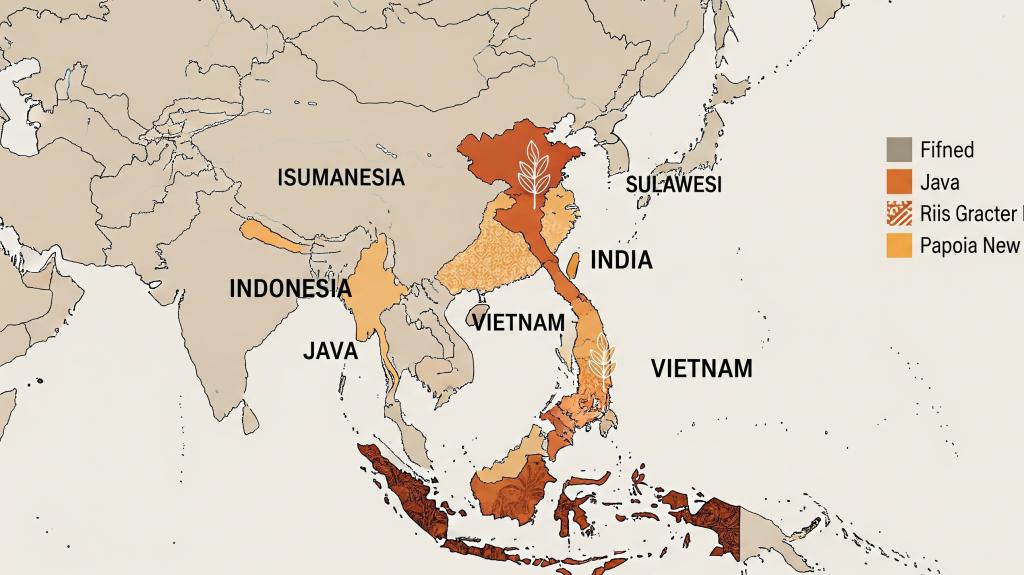
Asian & Pacific Origins: Earthy, Bold, and Spicy
These regions offer unique flavor profiles, often characterized by their distinctive processing methods and bold characteristics.
- Indonesia (Sumatra, Java, Sulawesi): Indonesian coffees, particularly from Sumatra, are famous for their unique “Giling Basah” (wet-hulled) processing. This method imparts an earthy, herbal, and sometimes woody or savory flavor profile. They are often full-bodied with very low acidity, making them popular for dark roast espresso beans and traditional blends. Notes can include dark chocolate, cedar, tobacco, and mushroom. Java is known for its classic, syrupy body.
- Vietnam: While primarily known for robusta production, Vietnam also produces arabica, often featuring a strong body and nutty or chocolaty notes. Vietnamese coffee often has a very distinct, bold flavor.
- India: Indian coffees, especially those grown in the shade of spice trees, can offer unique spicy notes (cardamom, pepper), along with chocolate and a full body.
- Papua New Guinea: Offers a cleaner cup than some other Indonesian coffees, often with notes of chocolate, tropical fruit, and a bright acidity, providing a bridge between Latin American and Indonesian profiles.
The Influence of Processing Methods
Beyond origin, how coffee cherries are processed after harvest significantly impacts the final espresso flavor profile.
- Washed (Wet) Process: Cherries are de-pulped, then fermented in water to remove mucilage, and finally dried. This method produces cleaner, brighter, and more acidic coffees, allowing the inherent bean characteristics to shine. Most Central American and African coffees are washed.
- Natural (Dry) Process: Whole coffee cherries are dried with the fruit intact. This method typically results in a fuller body, lower acidity, and more prominent fruit and fermented notes, often described as jammy or boozy. Many Brazilian and Ethiopian (Harrar) coffees are natural processed.
- Honey Process (Pulped Natural): A hybrid method where cherries are de-pulped but some mucilage is left on the bean before drying. This often yields a balance of fruitiness and sweetness, with a fuller body than washed coffees but less intensity than natural. Common in Costa Rica.
Understanding these methods can further refine your choice of best espresso beans.
Decoding Flavor Profiles: Beyond “Good” or “Bad”
Understanding espresso flavor notes is like learning a new language. It moves beyond simply “tastes good” to pinpoint specific characteristics that resonate with your palate. Roasters and coffee shops often provide tasting notes on their packaging, which can guide your choice of best espresso beans. These notes are not added flavors but inherent characteristics developed through genetics, terroir, and processing.
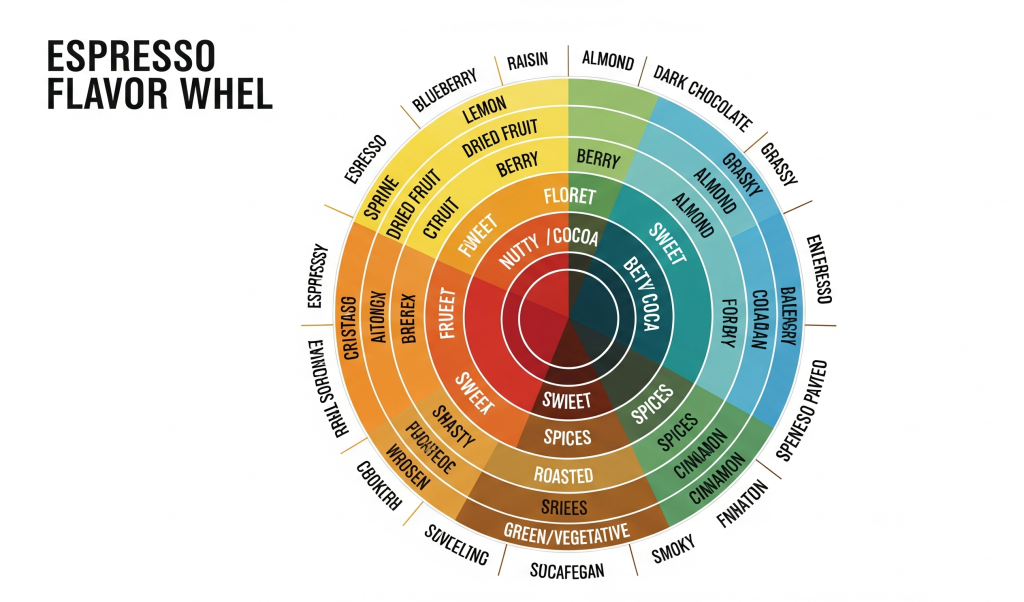
Key Elements of an Espresso Flavor Profile
When tasting espresso, focus on these five core characteristics:
- Acidity: Often confused with sourness, acidity in coffee refers to a pleasant brightness, liveliness, or crispness. Think of the refreshing zing of a lemon, the crispness of a green apple, or the tartness of a raspberry. High acidity can be vibrant (citric, malic) or, if unbalanced, unpleasant (vinegary, sharp). It contributes to the coffee’s complexity and cleanliness.
- Sweetness: This refers to the inherent sugar content developed during roasting as carbohydrates caramelize. It can range from subtle honey and brown sugar to rich dark chocolate or creamy caramel. Sweetness provides balance and rounds out the flavor.
- Body (Mouthfeel): This describes the tactile sensation or weight of the coffee in your mouth. Is it thin and tea-like, or rich, creamy, and syrupy? Terms like “light,” “medium,” or “full-bodied” are used. A thick, viscous, and luxurious body is often desired in espresso, contributing to a satisfying mouthfeel and rich crema espresso.
- Bitterness: While a touch of pleasant bitterness (like unsweetened cocoa, dark chocolate, or walnuts) can add complexity and depth, excessive bitterness indicates over-extraction, over-roasting, or stale beans, leading to an acrid or burnt taste.
- Aroma: Before you even taste it, the smell of coffee hints at its flavor. Aromas are crucial; much of what we perceive as taste actually comes from our sense of smell. Aromas can be floral, nutty, fruity, smoky, earthy, spicy, chocolaty, or caramel-like.
Common Flavor Notes in Espresso Beans
Here’s a deeper dive into the specific espresso flavor notes you might encounter:
- Chocolaty/Cocoa: Extremely common, especially in medium and dark roast espresso beans from Latin American origins (e.g., Brazilian, Colombian). Can range from milk chocolate to bitter cocoa or dark chocolate.
- Nutty: Almond, hazelnut, walnut, or pecan notes often found in Brazilian and some Central American beans. Contributes to a comforting, classic profile.
- Caramel/Toffee: Developed during the caramelization process in roasting, these sweet, buttery notes are a hallmark of well-balanced medium and dark roast espresso beans.
- Fruity: A broad category including bright berries (blueberry, strawberry, raspberry), vibrant citrus (lemon, orange, grapefruit), and succulent stone fruit (peach, apricot, cherry). Most commonly found in light roast espresso beans and African origins like Ethiopia.
- Floral: Delicate notes of jasmine, rose, or bergamot. Typical of delicate light roast espresso beans, especially from specific Ethiopian regions like Yirgacheffe.
- Spicy: Clove, cinnamon, nutmeg, or pepper. Sometimes found in Asian origins (e.g., Indian Monsooned Malabar) or specific processing methods.
- Earthy/Woody: Common in Indonesian coffees, particularly Sumatran, due to the wet-hulling process. Can be described as mushroom, damp soil, or cedar.
- Smoky/Roasty: Predominant in very dark roast espresso beans, resulting from the pyrolysis phase of roasting. Can be pleasant (campfire, toasted marshmallow) or unpleasant (ashy, burnt rubber) if over-roasted.
- Savory: Less common, but sometimes found in Kenyan coffees (tomato, umami) or certain experimental processing methods.
How to Develop Your Palate: To start identifying these notes, try cupping different single origin espresso beans side-by-side. Pay attention to the aroma first, then the taste on different parts of your tongue, and finally the lingering finish. Keep a simple journal to track what you taste and what you like. Over time, your palate will become more discerning.
Blends vs. Single Origin: Which is Best for Your Espresso?
When choosing espresso beans, you’ll often encounter two main categories: blends and single origins. Both have their merits for espresso brewing, and your choice depends on your preference for consistency versus adventurous exploration.
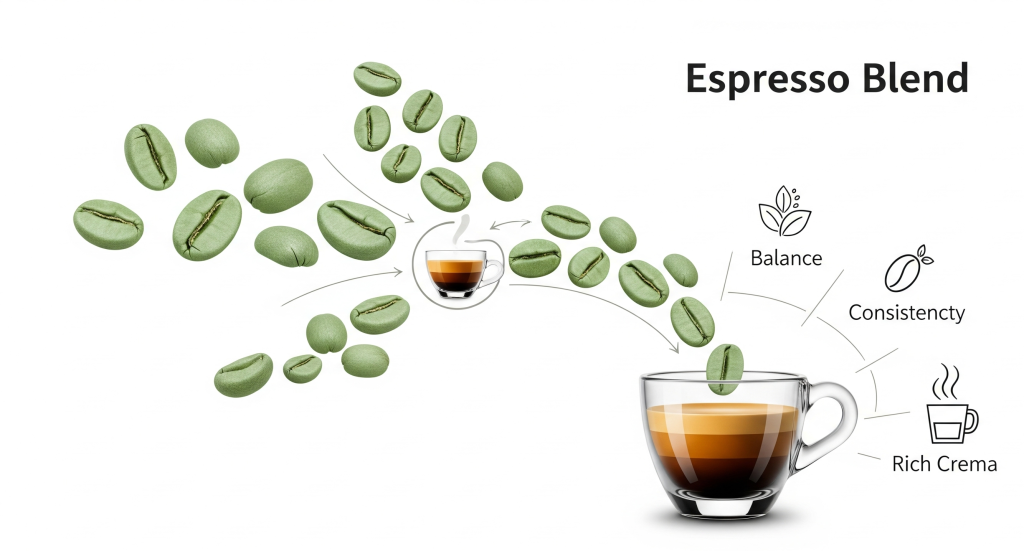
Espresso Blends: The Art of Consistency
Most traditional espresso found in cafes is made from an espresso blend of different coffee beans.
- What They Are: Blends combine beans from multiple origins, often different varieties and sometimes even different roast levels, to achieve a specific, consistent flavor profile. Roasters carefully select beans that complement each other, aiming for balance, complexity, and a reliable extraction performance. For example, a roaster might combine a full-bodied Brazilian bean for its chocolate and nut notes, a bright Colombian bean for acidity and sweetness, and a touch of Robusta for robust crema espresso.
- Advantages:
- Consistency: Blends are designed to taste the same cup after cup, year after year, regardless of harvest variations from individual farms. This makes them a reliable choice for daily brewing.
- Balance: Roasters can combine beans with different characteristics (e.g., a high-acid bean with a full-bodied, low-acid bean) to create a well-rounded and harmonious espresso shot that hits all the right notes of sweetness, acidity, and body.
- Crema: Blends are often meticulously designed to produce excellent, thick, and persistent crema espresso, which is a hallmark of a well-pulled shot. The inclusion of Robusta is often specifically for this purpose.
- Versatility: Many espresso blends are crafted to perform equally well as straight espresso shots and in milk-based drinks, offering a robust flavor that cuts through milk without being overpowering.
- Best For: Those who prioritize consistency, a balanced flavor profile, and a classic espresso experience. If you’re a café owner or simply want a reliable daily driver that consistently delivers a great shot, blended espresso beans are often the best espresso beans for home use. They offer a predictable and satisfying experience.
Single Origin Espresso Beans: Exploring Terroir
Single origin espresso beans offer a chance to explore the unique characteristics of coffee from a specific farm, region, or even a particular lot within a farm.
- What They Are: These beans come from a single, identifiable geographical location, allowing you to taste the distinct “terroir” – the environmental factors (soil, climate, altitude) and processing methods that influence the coffee’s flavor. The goal is to highlight the unique attributes of that specific place.
- Advantages:
- Unique Flavors: Single origins offer distinct, often surprising, and highly specific espresso flavor notes that truly reflect their origin. You might discover an Ethiopian espresso bursting with blueberry, or a Guatemalan with notes of apple and chocolate.
- Traceability & Transparency: You often know the exact farm, farmer, and processing methods, connecting you more deeply to your coffee and its journey. This transparency is a core value of the specialty coffee movement.
- Educational: They are fantastic for developing your palate, understanding the impact of origin on flavor, and appreciating the vast diversity within the coffee world.
- Considerations:
- Inconsistency: Flavor profiles can vary with each harvest, as single origins are susceptible to yearly climate variations. This means you might need to adjust your brewing parameters more frequently.
- Less Balanced (Potentially): A single origin might highlight one characteristic (e.g., very high acidity) that isn’t balanced by other components, which might not be ideal for everyone’s everyday espresso preference. They can sometimes be less forgiving to extract perfectly.
- Crema: Some single origins, especially lighter roasts, might produce less crema compared to well-designed blends.
- Best For: Adventurous coffee drinkers who enjoy experimenting, exploring new and distinct flavors, and appreciating the nuances of specific growing regions. They can be some of the best espresso beans for those seeking a truly unique and enlightening experience, pushing the boundaries of traditional espresso.
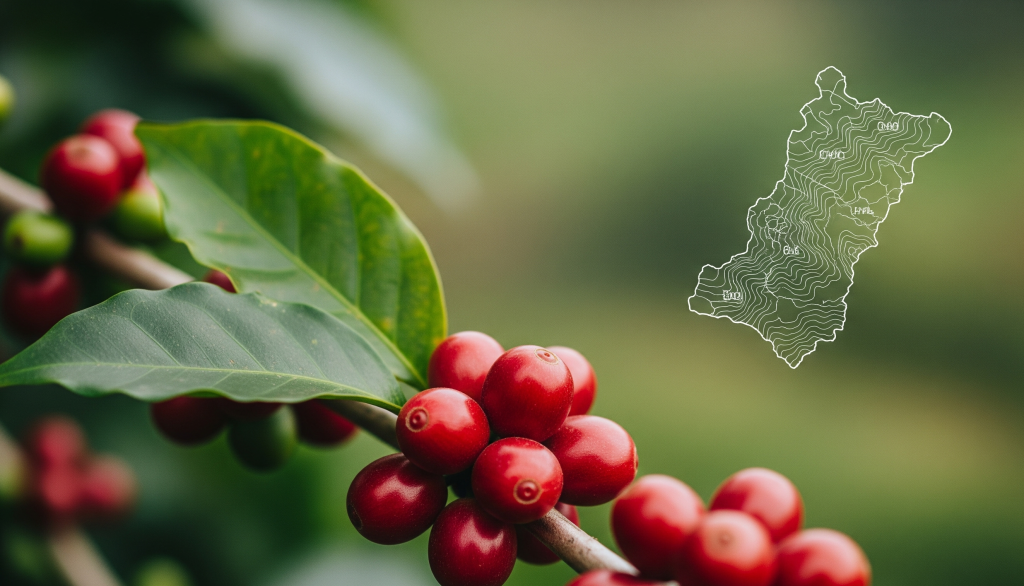
Beyond the Bean: Other Crucial Considerations for Your Espresso
Choosing the right espresso beans is foundational, but several other factors play a significant role in achieving your perfect shot. Neglecting these can undermine even the highest quality beans.
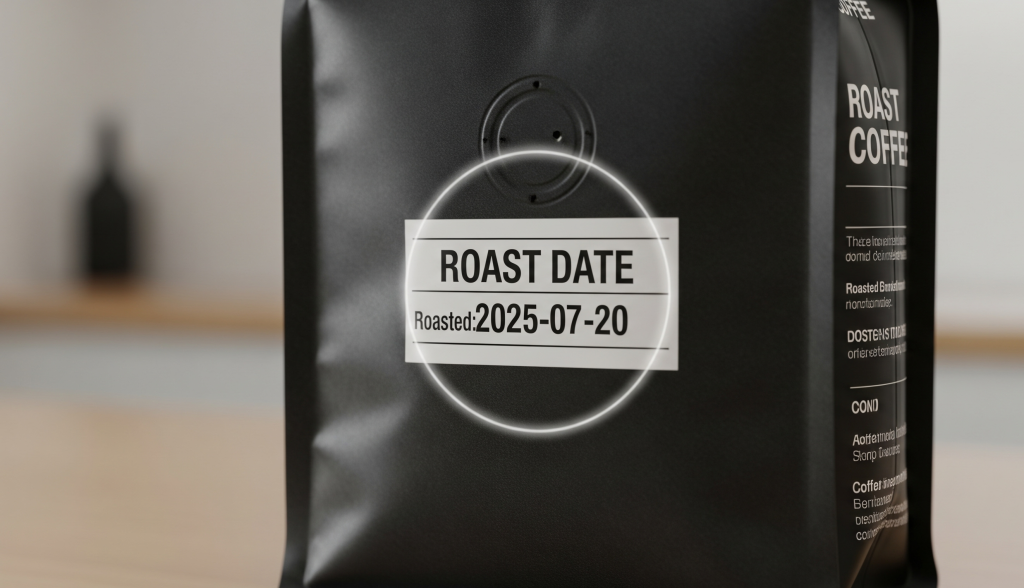
Freshness is King: The Importance of Roast Date
This cannot be stressed enough: coffee freshness is paramount for espresso. Coffee beans are an agricultural product, and like fresh produce, they have a peak flavor window. Once roasted, coffee begins a process of degradation.
- Degassing: Freshly roasted coffee releases significant amounts of CO2 gas. If brewed too soon (typically within 1-3 days of roasting), this gas can interfere with extraction, leading to a weak, thin crema espresso, inconsistent shots, and muted flavors. The pressure of brewing forces this gas out, creating turbulence and hindering proper water saturation.
- Oxidation: Over time, the volatile aromatic compounds and oils within the coffee beans oxidize when exposed to air, heat, and light. This leads to a rapid loss of flavor, resulting in stale, flat, and cardboard-like tastes. The vibrant espresso flavor notes simply disappear.
- The Sweet Spot: For espresso, most experts agree that beans are best used between 7 to 21 days after the roast date. This allows sufficient time for degassing while still preserving peak freshness. Some lighter, denser roasts might benefit from even longer rest times (up to 3-4 weeks) to fully develop their flavors and become easier to extract.
- What to Look For: Always check the roast date prominently displayed on the bag. This is a hallmark of specialty roasters who prioritize freshness. If a bag only has an “enjoy by” date, it’s a red flag, as this date can be months or even a year after roasting. Buy smaller quantities more frequently (e.g., 250g-500g per week or two) to ensure you’re always brewing with fresh beans.
Grinding Your Espresso Beans: The Unsung Hero
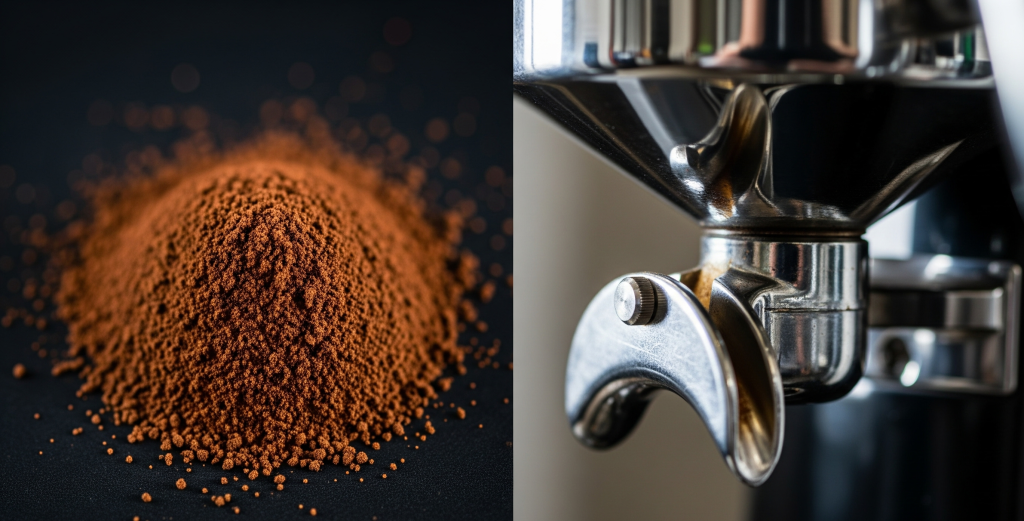
Even the best espresso beans can be ruined by improper grinding. For espresso, grind size and consistency are incredibly critical due to the high-pressure, fast extraction method.
- Fine Grind: Espresso requires a very fine grind, almost like powdered sugar or flour, but not so fine that it clogs your machine (known as choking). The precise fineness allows the high-pressure water to extract soluble compounds efficiently in a short time.
- Consistency is Key: The particles must be uniform in size. If you have a mix of very fine “fines” and coarser “boulders,” you’ll experience uneven extraction: the fines will over-extract (bitter), and the boulders will under-extract (sour) simultaneously, resulting in a muddy, unpleasant shot.
- Burr Grinder vs. Blade Grinder: A high-quality burr grinder (conical or flat burr) is essential. Burr grinders crush coffee beans between two abrasive surfaces, producing a consistent particle size. Blade grinders, conversely, “chop” coffee unevenly, creating a wide range of particle sizes that are unsuitable for espresso.
- Grind On Demand: Always grind your espresso beans just before brewing. Once ground, coffee’s surface area increases exponentially, accelerating oxidation and flavor loss. Pre-ground coffee loses its freshness and flavor rapidly, often within minutes. Investing in a good grinder is arguably as important as a good espresso machine.
Storage: Protecting Your Precious Beans
Proper espresso bean storage is vital to maintain freshness and protect the delicate flavors and aromas.
- Airtight Container: Store your beans in an opaque, airtight container. Oxygen is coffee’s enemy. Look for containers with a one-way valve that allows CO2 to escape but prevents oxygen from entering. The bag your specialty coffee comes in is often designed for this.
- Cool, Dark Place: Keep them away from heat, light, and moisture. A pantry or cupboard is ideal, away from direct sunlight, ovens, or other heat sources.
-
Avoid the Fridge/Freezer (Mostly): While freezing can extend shelf life for long-term storage (especially for large quantities you won’t use quickly), frequent freezing and thawing introduces moisture (condensation) and can degrade flavor. For daily use, keep beans at room temperature. If you do freeze, use airtight, vacuum-sealed bags and freeze immediately after roasting; do not thaw and re-freeze repeatedly.
Matching Espresso Beans to Your Machine and Brewing Style
Your espresso machine and how you plan to drink your coffee should also significantly influence your choice of best espresso beans. Different machines have different capabilities and tolerances for various bean types.
For Super-Automatic Espresso Machines
- Consideration: Super-automatic machines (bean-to-cup) are designed for convenience, grinding and brewing with the push of a button. However, they are less forgiving with very oily beans, which can clog their internal grinders, or very light, dense beans, which they may struggle to grind fine enough or extract properly.
- Recommendation: Medium roast espresso beans or medium-dark blends are often the ideal choice. They typically have less surface oil to clog the machine’s grinder and a balanced flavor profile that works well with automated extraction. Avoid extremely oily dark roast espresso beans or very dense, hard-to-grind light roast espresso beans to ensure the longevity and consistent performance of your machine. Look for “espresso blend for super-automatics” specifically, as some roasters cater to this.
For Semi-Automatic & Manual Espresso Machines
- Consideration: These machines offer the most control over brewing parameters (grind, dose, tamp, pressure, temperature). This control gives you immense flexibility but also requires more skill and experimentation to “dial in” each new bean.
- Recommendation: You have the most flexibility here! You can experiment with light roast espresso beans for vibrant, acidic shots, or traditional dark roast espresso beans for a classic Italian experience. This is where exploring single origin espresso beans truly shines, allowing you to fine-tune your grind and other variables to highlight unique flavor notes. Manual machines like lever machines can sometimes even extract tricky light roasts beautifully due to their unique pressure profiles. This is where the world of specialty coffee beans opens up fully.
For Milk-Based Drinks (Lattes, Cappuccinos)
- Consideration: The espresso beans need to be strong enough to stand up to the sweetness and creaminess of milk without getting lost or overwhelmed. The flavors should meld harmoniously, not clash.
- Recommendation: Medium to dark roast espresso beans are generally preferred for milk-based drinks. Their bolder flavors of chocolate, nuts, caramel, and sometimes a hint of smokiness, cut through milk beautifully, providing a rich coffee presence. While light roast espresso beans can be interesting in milk (creating a more nuanced, “coffee-forward” latte), their delicate fruit and floral notes can sometimes be overpowered or taste odd when combined with dairy or non-dairy alternatives. If you’re looking for the best espresso beans for latte that delivers a classic, comforting experience, aim for a rich, assertive medium-dark blend.
Ethical and Sustainable Choices: Beyond Flavor
As you become more discerning about the flavor of your espresso beans, it’s also worth considering the ethical and environmental impact of your choices. Supporting sustainable practices benefits farmers, communities, and the planet.
- Fair Trade: This certification ensures that farmers receive a fair and stable price for their crops, helping to lift them out of poverty and promote economic sustainability within their communities. It often includes social and environmental standards.
- Organic: Certified organic espresso beans signify that the coffee was grown without synthetic pesticides, herbicides, or fertilizers. This protects the environment, soil health, and the health of farm workers.
- Direct Trade: A growing movement where roasters build direct, long-term relationships with specific coffee farms or cooperatives. This often means paying significantly above market price, fostering transparency, and investing directly in the farm’s infrastructure and community projects. Direct trade often results in exceptionally high-quality specialty coffee beans.
- Rainforest Alliance/UTZ Certified: These certifications focus on environmental conservation (protecting biodiversity, forests) and worker welfare (fair wages, safe conditions, access to education). They promote sustainable farming practices.
- Bird Friendly® (Smithsonian Migratory Bird Center): This is the gold standard for environmentally friendly coffee, requiring coffee to be 100% organic and grown under a shade canopy, which provides vital habitat for migratory birds and supports biodiversity.
Choosing ethically sourced coffee beans for espresso not only feels good but often translates to higher quality due to better farming practices, greater investment in the land, and more engaged producers. It’s a way to enjoy your perfect shot knowing it’s contributing to a better world.
The Journey Continues: Experimentation is Key
Ultimately, choosing the best espresso beans is a deeply personal journey. There’s no single “right” answer that applies to everyone. Your ideal bean depends on your unique palate, your specific brewing equipment, and the kind of espresso experience you desire on any given day.
- Start Simple: If you’re new to espresso, begin your journey with a good quality, medium roast espresso beans blend. This provides a balanced, forgiving, and widely appealing starting point that will allow you to get a feel for espresso brewing without too many variables.
- Taste and Learn: Pay close attention to the espresso flavor notes described on the coffee bag and actively try to identify them in your cup. Use the flavor wheel as a guide. Don’t be afraid to keep a simple tasting journal, noting what you liked, what you didn’t, and why. This helps you build your palate memory.
- Adjust and Adapt: Every new bag of beans, and sometimes even beans from the same bag over time, will require slight adjustments to your grind size, dose, and yield. Lighter, denser roasts often prefer a slightly finer grind, slightly higher brewing temperature, and potentially a longer pre-infusion time. Darker, more brittle roasts might need a slightly coarser grind and lower temperature. Be prepared to “dial in” your shot, making small, iterative changes.
- Explore: Once you’ve found a favorite, branch out! Try different origins from a region you’ve enjoyed in a blend. Venture into single origin espresso beans to truly understand the nuances of terroir. If you’ve been a dark roast drinker, challenge yourself with a vibrant light roast espresso beans. The world of coffee is vast and exciting.
- Support Specialty Roasters: Purchase your coffee beans for espresso from local, independent, specialty roasters. They are passionate about coffee, provide crucial information like roast dates and origin details, and are often excellent resources for guidance, advice, and recommendations. Many offer online stores, making their exceptional beans accessible.
Pulling Your Perfect Shot: The Ultimate Reward
The quest for the best espresso beans is a rewarding one. By understanding the intricate interplay of roast levels, espresso bean origins,** flavor profiles**, and the critical importance of freshness, you empower yourself to make informed choices that directly impact the quality of your daily brew. From the bold, traditional intensity of dark roast espresso beans to the nuanced, vibrant complexity of a bright light roast espresso beans, the world of espresso offers an endless spectrum of delights to explore.
Remember, every espresso shot is an opportunity to learn, to savor, and to perfect your craft. So, next time you’re standing in front of that overwhelming array of coffee beans for espresso, armed with this newfound knowledge, you’ll no longer be guessing. You’ll be confidently choosing the beans that promise to deliver your ultimate, personalized, and perfectly pulled shot of espresso, transforming your coffee experience into a true art form.