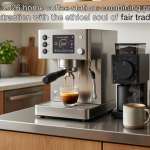
Did you know that millions of people worldwide now prefer brewing their morning cup at home, saving both time and money while enjoying a personalized experience? In 2025, creating a café-style home coffee bar has become more than a convenience; it is a way to infuse your daily routine with comfort and creativity. This article will guide you through every step of designing and setting up your own home coffee bar, from selecting the right location to incorporating the latest trends.
Whether you have a spacious kitchen or a compact apartment, you will discover practical tips, inspiration, and expert advice to make your space functional and inviting. By the end, you will understand why building a home coffee station matters for enhancing your lifestyle and even boosting your home’s appeal.
Understanding the Appeal of a Home Coffee Bar
- A home coffee bar transforms an ordinary kitchen corner into a dedicated space for brewing and enjoying beverages. It offers convenience by keeping all essentials in one spot, reducing morning chaos. Beyond functionality, it adds aesthetic value, making your home feel like a cozy café. In 2025, with rising costs at coffee shops, having a DIY home coffee bar allows customization, from bold espresso shots to creamy lattes, tailored to your taste.
- This setup also promotes mindfulness. Starting your day with a ritual in your café-style home coffee bar can reduce stress and increase productivity. Studies show that personalized environments improve well-being, and a well-designed bar encourages experimentation with flavors and techniques.
- Finally, it saves money long-term. Investing in quality tools upfront cuts down on daily café visits, potentially saving hundreds annually. Plus, it enhances social gatherings, where guests can self-serve drinks.
Choosing the Perfect Location for Your Coffee Bar
- Selecting the right spot is crucial for your home coffee bar setup. Consider traffic flow and accessibility. A kitchen corner near a sink provides easy water access for brewing and cleaning. If space is limited, use a nook in the living room or even a hallway.
- For small areas, opt for vertical designs like wall-mounted shelves. In larger homes, dedicate a pantry or butler’s area. Ensure proximity to electrical outlets for machines like grinders or espresso makers.
- Natural light enhances the ambiance, making your coffee station ideas feel welcoming. Avoid high-traffic zones to prevent spills. Measure your space first to ensure fittings like counters or carts align perfectly.
Essential Equipment for Your Home Coffee Bar
- Start with a reliable coffee maker. Options include drip machines for simplicity or espresso units for authenticity. In 2025, smart brewers with app controls are popular for precision.
- A grinder is key for fresh beans. Burr grinders offer consistent results over blade types. Pair it with a scale for accurate measurements.
- Storage solutions matter. Airtight canisters keep beans fresh, while mug racks save space. Consider a milk frother for lattes and a kettle for pour-overs.
- For advanced setups, add a knock box for espresso pucks or a tamper. Budget wisely; quality items last longer.
Designing the Layout and Aesthetics
- Balance function and style in your home coffee bar ideas. Use open shelving for easy access to mugs and syrups, creating a visually appealing display.
- Choose a color scheme that matches your home. Neutral tones like white or wood evoke a modern café feel. Add pops of color with accessories.
- Incorporate lighting. Under-cabinet LEDs highlight your setup, while pendant lights add warmth. Textures like marble counters or rustic wood enhance appeal.
- Personalize with décor. Plants, artwork, or chalkboards for notes make it unique. Ensure ergonomic design; counters at comfortable heights prevent strain.
Stocking Up on Coffee Essentials
- Quality beans are foundational. Opt for single-origin for unique flavors or blends for consistency. Store in cool, dark places to maintain freshness.
- Syrups and sweeteners add variety. Vanilla, caramel, and hazelnut are staples. Include alternatives like honey or agave for health-conscious options.
- Milk options cater to preferences. Dairy, oat, almond, or soy each offer different textures. Froth them for creamy drinks.
- Accessories enhance experience. Stirrers, spoons, and filters should be readily available. Organize with trays or dividers for efficiency.
Incorporating 2025 Trends into Your Coffee Bar
- Sustainability leads trends. Use eco-friendly materials like bamboo shelves or reusable pods. Solar-powered gadgets reduce energy use.
- Smart tech integrates seamlessly. Voice-activated brewers and apps tracking bean inventory are innovative additions.
- Health-focused elements rise. Infuse stations with superfoods like matcha or adaptogens. Ergonomic designs promote wellness.
- Aesthetic shifts favor minimalism. Clean lines, natural woods, and metallic accents define modern café-style home coffee bars.
Step-by-Step Guide to Building Your Coffee Bar
- Begin with planning. Sketch your space, noting measurements and desired features.
- Gather materials. Purchase counters, shelves, and hardware from stores or online.
- Assemble the base. Install cabinets or carts securely.
- Add storage. Mount shelves and organize essentials logically.
- Install equipment. Position machines and test functionality.
- Decorate. Add personal touches like signs or plants.
- Test and refine. Brew a cup and adjust as needed.
Budgeting for Your Home Coffee Bar
- Set a realistic budget. Basic setups cost $200-500, while premium ones reach $2000+.
- Prioritize essentials. Invest in durable machines first.
- Shop sales and secondhand. Thrift stores offer unique pieces affordably.
- DIY where possible. Repurpose furniture to save.
- Factor maintenance. Quality items reduce long-term costs.
Maintaining and Organizing Your Coffee Bar
- Regular cleaning prevents buildup. Wipe surfaces daily and deep clean weekly.
- Organize by frequency. Keep daily items accessible, store others away.
- Rotate stock. Use older beans first to avoid staleness.
- Update seasonally. Swap flavors for holidays or weather changes.
- Monitor usage. Restock promptly to avoid disruptions.
Recipes to Try in Your New Coffee Bar
- Classic Espresso: Pull a shot over ice for simplicity.
- Vanilla Latte: Froth milk, add vanilla syrup, top with espresso.
- Cold Brew: Steep grounds overnight, dilute with water.
- Mocha: Mix chocolate syrup, espresso, and steamed milk.
- Affogato: Pour espresso over ice cream for dessert.
- Experiment with ratios for personal twists.
Benefits of a Personalized Coffee Experience
- Customization suits tastes. Adjust strength or flavors freely.
- Convenience saves time. No lines or commutes.
- Social hub. Host friends for coffee sessions.
- Skill building. Learn barista techniques at home.
- Wellness boost. Control ingredients for healthier options.
Common Mistakes to Avoid
- Overcrowding space. Keep it minimal for usability.
- Ignoring ventilation. Ensure airflow to prevent odors.
- Poor lighting. Add fixtures for safety and appeal.
- Neglecting safety. Secure items to avoid accidents.
- Skipping quality. Cheap tools fail quickly.
Upgrading Your Coffee Bar Over Time
- Add advanced tools. Upgrade to bean-to-cup machines.
- Incorporate tech. Smart scales or grinders enhance precision.
- Expand storage. Add drawers for growth.
- Refresh décor. Change themes seasonally.
- Seek feedback. Adjust based on usage patterns.
Integrating Technology into Your Setup
- App-controlled brewers offer scheduling.
- Grinders with timers ensure consistency.
- Scales connect to apps for recipes.
- Cameras monitor remotely if needed.
- Voice assistants streamline commands.
Sustainable Practices for Your Coffee Bar
- Choose organic beans. Support ethical farming.
- Use reusable cups. Reduce waste.
- Compost grounds. Benefit gardens.
- Energy-efficient machines. Lower bills.
- Recycle packaging. Minimize environmental impact.
Hosting Coffee Gatherings
- Plan menus. Offer variety for guests.
- Set ambiance. Music and lighting enhance mood.
- Demonstrate techniques. Share knowledge.
- Provide options. Cater to preferences.
- Follow up. Refine for future events.
Troubleshooting Common Issues
- Machine malfunctions. Clean regularly.
- Flavor inconsistencies. Measure precisely.
- Space constraints. Use vertical storage.
- Budget overruns. Prioritize needs.
- Maintenance lapses. Schedule routines.
Expert Tips from Baristas
- Grind fresh. Enhances flavor.
- Water quality matters. Filter for best results.
- Experiment boldly. Discover new favorites.
- Clean daily. Preserves equipment.
- Learn basics. Master fundamentals first.
The Future of Home Coffee Bars in 2025 and Beyond
- Hybrid designs. Blend coffee and tea stations.
- AI integration. Predictive brewing.
- Eco-innovations. Biodegradable pods.
- Community sharing. Online forums for ideas.
- Global influences. Exotic flavors rise.
Conclusion
Crafting a café-style home coffee bar in 2025 elevates your daily life with convenience, creativity, and cost savings. From selecting locations to incorporating trends, this guide provides comprehensive steps to build your ideal space. Embrace the process, experiment with recipes, and enjoy the personalized joy it brings. Your perfect brew awaits in the comfort of home.