A Guide for Home Baristas
Imagine starting your day with a cup of coffee that’s not just delicious but also ethically sourced, scientifically brewed, and tailored to your personal taste all from the comfort of your kitchen. This isn’t a distant dream; it’s the reality of the fourth wave of coffee, a movement transforming how we experience our daily brew. In this comprehensive guide, we’ll explore what is the fourth wave of coffee, trace its evolution from earlier waves, and provide practical tips for home baristas to dive in. Whether you’re a beginner or seasoned enthusiast, understanding this wave matters because it empowers you to create specialty coffee at home, supports sustainable coffee practices, and connects you to a global community focused on quality and responsibility.
Understanding the Waves of Coffee
Coffee’s history is often described in “waves,” each marking a shift in consumption, production, and culture. These phases build on one another, reflecting societal changes and technological advances. Grasping them helps home baristas appreciate why the fourth wave coffee movement emphasizes science, ethics, and accessibility.
The First Wave
The first wave of coffee began in the late 19th century, making coffee widely available as a household staple. Brands like Folgers and Maxwell House popularized pre-ground, canned coffee for convenience. This era focused on mass production and affordability, turning coffee into an everyday beverage rather than a luxury.
During this time, quality took a backseat to quantity. Consumers valued consistency over flavor nuances, leading to the rise of instant coffee post-World War II. While revolutionary for accessibility, it set the stage for future improvements.
The Second Wave
Enter the second wave of coffee, epitomized by chains like Starbucks in the 1970s and 1980s. This phase introduced espresso-based drinks like lattes and cappuccinos, emphasizing variety and experience. Coffee shops became social hubs, and terms like “barista” entered mainstream vocabulary.
Here, origin stories and darker roasts gained attention, but blends dominated over single-origin beans. It democratized specialty coffee somewhat, but critics argue it prioritized syrups and milk over the bean’s natural taste.
The Third Wave.
The third wave coffee emerged in the early 2000s, treating coffee like fine wine. Roasters and cafes highlighted single-origin beans, light roasts, and precise brewing. Pioneers like Intelligentsia and Stumptown emphasized transparency in sourcing and the barista’s craft.
This wave celebrated the bean’s terroir factors like altitude and soil affecting flavor. Pour-over and Chemex methods became icons, shifting focus from convenience to artistry. It laid the groundwork for home baristas by popularizing tools like grinders and scales.
Introducing the Fourth Wave.
Now, we’re in the fourth wave of coffee, which builds on the third by integrating advanced science, ethical practices, and inclusivity. Unlike previous waves, it aims to make high-quality coffee accessible to everyone, especially at home. Experts describe it as a blend of innovation and social consciousness, driven by Gen Z’s preferences for sustainability and personalization.
Key drivers include climate change awareness and technology, making at-home specialty coffee a booming trend. For home baristas, this means experimenting with data-driven brewing and supporting fair trade.
To compare the waves clearly:
| Wave | Focus | Key Examples | Impact on Home Baristas |
|---|---|---|---|
| First | Convenience and mass production | Instant coffee, canned grounds | Basic home brewing with minimal tools |
| Second | Variety and cafe culture | Lattes, flavored drinks | Introduction to espresso machines at home |
| Third | Origin and artistry | Single-origin, pour-over | Emphasis on fresh grinding and precise measurements |
| Fourth | Science, sustainability, accessibility | Ethical sourcing, smart brewers | Advanced home setups with apps and eco-friendly beans |
This evolution shows how coffee has grown from a simple drink to a mindful ritual.
Defining Fourth Wave Coffee
What is fourth wave coffee? It’s a movement prioritizing scientific precision, ethical sourcing, and widespread accessibility. Unlike the third wave’s focus on elite cafes, the fourth democratizes excellence, bringing it into homes via e-commerce and tech.
Core elements include:
- Sustainability: Direct trade and organic farming to reduce environmental impact.
- Science: Using chemistry for optimal extraction, like precise water temperatures.
- Inclusivity: Making specialty brews affordable and fun for all.
This wave responds to consumer demands for transparency knowing exactly where beans come from and how they’re processed. Reports indicate that by 2025, over 60% of coffee consumers prioritize ethical labels.
For home baristas, it means shifting from guesswork to informed choices, enhancing every cup.
Key Characteristics of the Fourth Wave Coffee Movement
The fourth wave coffee movement stands out through innovation and responsibility. Brewers now use refractometers to measure extraction rates, ensuring balanced flavors. Sustainability extends to packaging, with compostable bags becoming standard.
Social media plays a role, with TikTok inspiring coffee cocktails and signature drinks. This wave blurs lines between professional and home setups, empowering individuals to roast small batches.
It’s about community too online forums where home baristas share recipes and tips.
How It Differs from Previous Waves
While the third wave coffee was artisanal, the fourth is scalable. It uses data to replicate cafe-quality at home without exclusivity. For instance, apps track brew variables, making experimentation accessible.
Ethically, it goes beyond fair trade to “radical transparency,” where farms share real-time data on wages and practices.
This inclusivity appeals to diverse demographics, from millennials to Gen Z.
The Role of Sustainability and Ethics in Fourth Wave Coffee
Sustainability is the heartbeat of fourth wave coffee. With climate change threatening coffee crops, this wave emphasizes regenerative farming practices that restore soil and biodiversity.
Ethical coffee sourcing ensures farmers receive fair pay, often through direct trade models. Studies show these approaches can increase farmer incomes by 20-30%.
For home baristas, choosing organic coffee or certified beans supports this. Look for labels like Rainforest Alliance or Fair Trade.
Environmental Impact and Sustainable Coffee Practices
Coffee production contributes to deforestation, but fourth wave innovators use shade-grown methods to preserve habitats. Water conservation in processing reduces usage by up to 90%.
At home, opt for reusable filters and compost grounds to minimize waste. This wave encourages full-circle thinking from farm to cup.
Supporting Farmers Through Direct Trade Coffee
Direct trade coffee cuts middlemen, fostering relationships between roasters and growers. It ensures premiums go directly to communities, funding education and health.
As a home barista, subscribe to roasters sharing farmer stories it adds meaning to your brew.
Challenges in Ethical Sourcing
Despite progress, greenwashing persists. Verify claims via third-party audits. Rising costs from sustainable methods can affect prices, but long-term benefits outweigh them.
Science and Innovation in Coffee Brewing
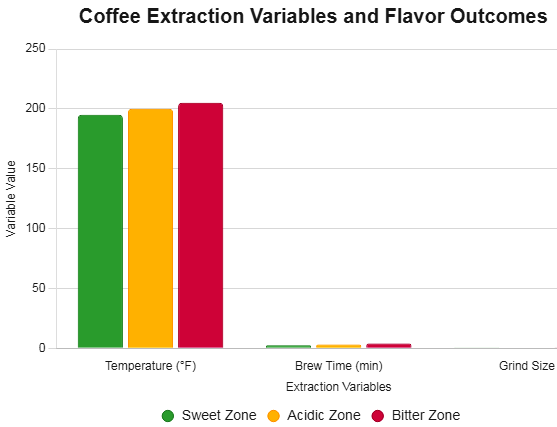
The fourth wave treats coffee like a lab experiment. Understanding extraction how water pulls flavors from grounds is key. Ideal parameters: 195-205°F water, 1:16 coffee-to-water ratio.
Innovations include smart scales and apps logging brews for consistency.
Advanced Coffee Brewing Methods for Home Baristas
Explore methods like:
- AeroPress: Versatile for bold or light brews.
- Cold Brew: Slow extraction for smooth, low-acid coffee.
- Siphon: Vacuum-based for theatrical, clean cups.
Experiment with variables like grind size fine for espresso, coarse for French press.
The Chemistry Behind Perfect Extraction
Coffee’s 1,000+ compounds create flavors. pH levels affect acidity; over-extraction leads to bitterness. Use tools like TDS meters to hit 1.2-1.45% dissolved solids.
This scientific approach demystifies brewing, making it rewarding for home baristas.
Tech Tools for Modern Brewing
Gadgets like the Fellow Stagg EKG kettle offer precise temperature control. Apps like Brew Guru analyze recipes.
A Guide for Home Baristas: Embracing the Fourth Wave
Ready to join? Start with essentials.
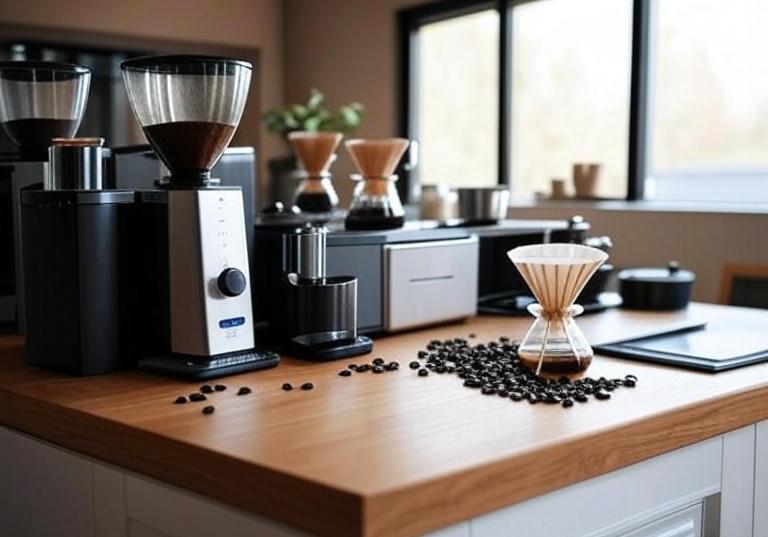
Essential Equipment for At-Home Specialty Coffee
- Grinder: Burr for uniform particles.
- Scale: Gram-accurate for ratios.
- Brewer: V60 for pour-over mastery.
Budget options under $100 exist, scaling to pro setups.
Selecting Beans in the Fourth Wave
Choose single-origin for nuance. Roast dates matter fresh within two weeks.
Try anaerobically fermented beans for fruity notes, a fourth wave trend.
Step-by-Step Brewing Techniques
- Measure 15g coffee per 250ml water.
- Grind medium-fine.
- Bloom with hot water for 30 seconds.
- Pour in circles, total time 2-3 minutes.
Adjust for taste notes of chocolate or citrus?
Recipes: Coffee Cocktails and Signature Drinks
- Fourth Wave Latte: Espresso with oat milk, infused with lavender.
- Sustainable Cold Brew: Infuse with ethically sourced spices.
These personalize your experience.
Popular Trends in Fourth Wave Coffee
Trends include plant-based milks and functional add-ins like mushrooms for health benefits.
Home roasting kits allow custom profiles, aligning with personalization.
Social consciousness drives boycotts of unsustainable brands.
Challenges and Future Outlook
Supply chain issues from climate events challenge the wave, but innovations like lab-grown coffee emerge. The future? A fifth wave focused on AI-brewing or global equity.
The fourth wave of coffee invites home baristas to brew with purpose. By adopting sustainable coffee practices, scientific methods, and ethical choices, you contribute to a better industry. Start small grind fresh, source wisely and watch your cups transform.